

Spellbrand Blog
Getting Ahead of the Game with a Sports Team Mascot
Looking for a custom logo?
Get a professional, one-of-a-kind logo designed by a founder-led studio.
Looking for a custom logo design?
Our professional designers create unique, memorable logos tailored to your brand.
See Our Logo Design Services →A great sports team mascot does more than entertain fans—it becomes the heart and soul of your team’s identity. From professional leagues to school districts, effective mascots create emotional connections, boost team morale, and drive merchandise sales. But creating a mascot that truly represents your team requires more than just choosing a character. It requires strategic thinking, professional design, and understanding what makes mascots memorable.
Why Sports Team Mascots Matter
Sports team mascots serve multiple crucial functions beyond entertainment. They create identity, build community, and drive engagement in ways that logos and team names alone cannot.
Building Team Identity
A mascot gives your team a personality. It’s the face fans connect with emotionally, the character that represents your team’s values and spirit. A well-designed mascot becomes synonymous with your team, creating recognition that extends beyond wins and losses.
Creating Fan Connection
Fans don’t just support teams—they connect with mascots. A memorable mascot gives fans something to rally around, creating emotional investment that goes deeper than team performance. This connection drives loyalty, even during losing seasons.
Merchandise and Revenue
Mascots drive merchandise sales. Fans buy mascot-themed apparel, accessories, and memorabilia. A popular mascot can become a significant revenue stream, with merchandise sales often exceeding expectations when the mascot design resonates with fans.
Community Building
Mascots bring communities together. They appear at games, community events, and school functions. They become symbols that unite fans, students, and community members around a shared identity.
What Makes an Effective Sports Team Mascot
Not all mascots are created equal. Effective mascots share several key characteristics:
Memorable and Distinctive
Your mascot should be instantly recognizable and memorable. It should stand out from other mascots while remaining appropriate for your team and community. Distinctive mascots create stronger brand recognition.
Appropriate for Your Audience
A mascot for a professional sports team will look different from one for an elementary school. Consider your audience—their age, values, and expectations. A mascot that’s too childish won’t work for professional teams, while one that’s too aggressive won’t work for youth sports.
Reflects Team Values
Your mascot should embody your team’s values and personality. Is your team fierce and competitive? Bold and adventurous? Friendly and approachable? Your mascot should reflect these qualities visually and in character.
Versatile and Scalable
Your mascot needs to work across many applications: logos, uniforms, merchandise, signage, digital media, and more. It should be recognizable whether it’s on a tiny pin or a massive banner. This requires professional design that considers all applications.
Timeless Design
While it’s tempting to follow design trends, effective mascots are timeless. They should feel current without being trendy, ensuring they remain relevant for years or even decades. This longevity builds stronger brand recognition over time.
The Design Process: Creating Your Mascot
Creating an effective sports team mascot requires a structured design process that considers your team’s unique identity and needs.
Research and Discovery
Start by understanding your team’s identity, history, and values. What makes your team unique? What are your traditions? What do you want your mascot to communicate? This research informs every design decision.
Consider your competition. What mascots do other teams in your league use? You want to stand out while remaining appropriate for your category. Understanding the competitive landscape helps you create something distinctive.
Think about your community and audience. What resonates with your fans? What values do they share? A mascot that connects with your community will be more successful than one that doesn’t.
Concept Development
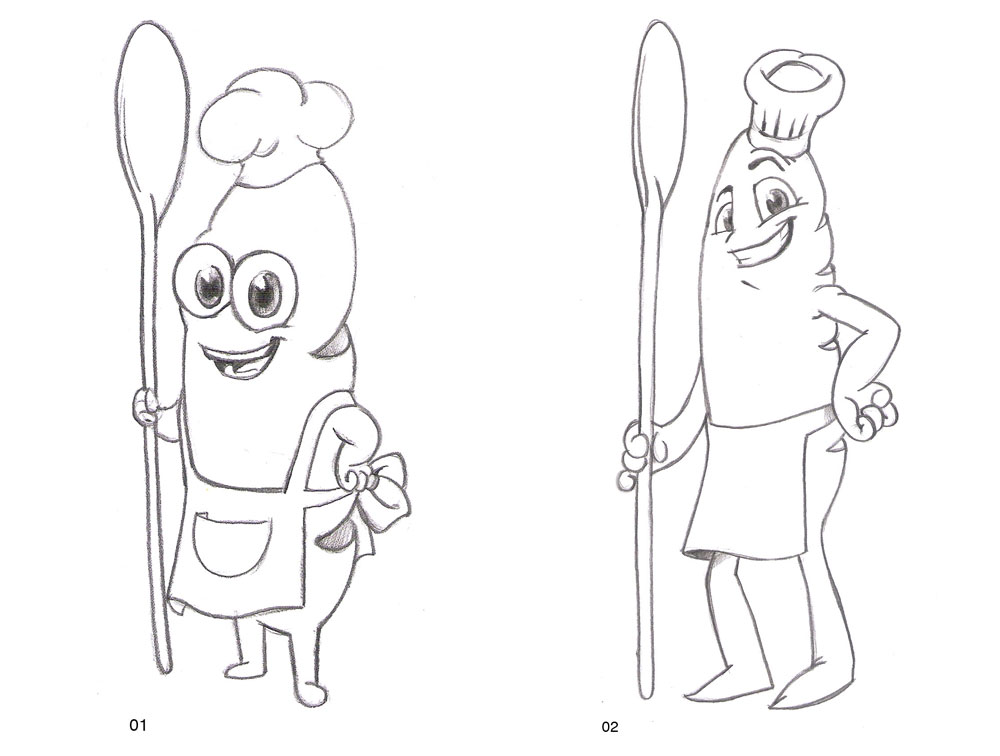
Develop multiple mascot concepts before settling on a direction. Explore different approaches: animals, characters, abstract symbols, or combinations. Each concept should reflect your team’s identity while being distinctive and memorable.
Consider the mascot’s personality. Will it be fierce and competitive? Friendly and approachable? Bold and adventurous? The personality should align with your team’s values and appeal to your audience.
Think about the mascot’s backstory. Even if you don’t share it publicly, having a story behind your mascot helps inform design decisions and creates depth. This backstory can inform colors, features, and character traits.
Professional Design
Work with a professional designer who understands mascot design specifically. Mascot design has unique requirements—the character needs to work as a logo, in costume, on merchandise, and in various applications. Not all designers understand these requirements.
Look for designers with experience in sports branding and mascot design. They’ll understand how to create characters that are both distinctive and versatile, memorable and appropriate.
The design process should include multiple rounds of refinement. Initial concepts get refined based on feedback, ensuring the final mascot perfectly represents your team while being practical for all applications.
Ready to Transform Your Brand?
Let’s create something magical together. Explore our services and see how we can help you build a brand that stands out.
Testing and Refinement
Test your mascot design across all applications before finalizing. How does it look on uniforms? On merchandise? In digital applications? At different sizes? Testing ensures your mascot works everywhere it needs to.
Get feedback from stakeholders: team members, coaches, fans, administrators. Their input is valuable, but remember that design by committee rarely works. Use feedback to inform decisions, but trust your designer’s expertise.
Refine based on testing and feedback. The best mascots go through multiple iterations before finalization. Don’t rush this process—getting it right is more important than getting it done quickly.
Implementing Your Mascot Across Applications
Once you have your mascot design, implement it consistently across all applications to build recognition and strengthen your brand.
Uniforms and Apparel
Your mascot should appear on uniforms, either as the primary logo or as an accent element. Consider how it looks on different uniform colors and styles. The mascot should be recognizable even at small sizes.
Merchandise
Mascots drive merchandise sales, so ensure your mascot works well on various products: t-shirts, hats, pins, stickers, and more. Consider how it looks on different colors and materials.
Signage and Graphics
Use your mascot in signage, both at your venue and in the community. Consistent use builds recognition and reinforces your team’s identity.
Digital Applications
Your mascot should work in digital applications: websites, social media, mobile apps, and more. Consider how it animates, how it appears in different contexts, and how it maintains recognition across platforms.
Community Presence
Use your mascot in community outreach: school visits, charity events, local appearances. This builds community connection and extends your brand beyond game days.
Case Study: Simpson University Eagle Mascot
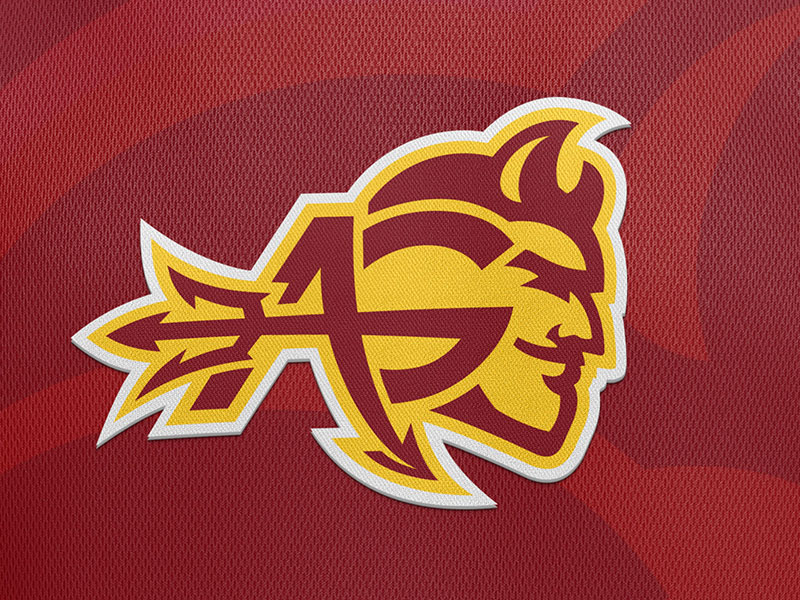
When we created the mascot for Simpson University’s sports team, we focused on creating a character that would resonate with students, alumni, and the community while representing the university’s values.
The eagle mascot we designed combines strength and grace, reflecting the university’s values of excellence and character. The design works across multiple applications—from tiny pins to large banners—while maintaining recognition and impact.
The team reported that the new mascot design actually boosted team performance. Players felt more connected to their team identity, and the mascot became a rallying point during games. This demonstrates how effective mascot design can impact more than just branding—it can influence team culture and performance.
Common Mascot Design Mistakes
Being Too Generic
Generic mascots don’t create connection or recognition. Avoid cliché choices unless you can execute them in a distinctive way. Stand out from the competition.
Ignoring Your Audience
A mascot that doesn’t resonate with your audience won’t be effective. Consider who your fans are and what appeals to them. A mascot for a youth sports team should look different from one for a professional team.
Poor Scalability
Mascots that only work at large sizes limit your marketing options. Ensure your mascot is recognizable and effective at all sizes, from tiny pins to massive banners.
Following Trends Too Closely
Trendy mascot designs date quickly. While it’s okay to feel modern, avoid designs that will look outdated in a few years. Timeless design serves your team longer.
Losing Brand Consistency
Your mascot should feel like part of your complete brand identity, not a separate element. Ensure it uses your brand colors, reflects your brand values, and works with your other brand elements.
The Business Impact of Effective Mascots
Effective mascots deliver measurable business results:
Increased Merchandise Sales
Well-designed mascots drive merchandise sales. Fans want to wear and display mascot-themed products, creating revenue streams beyond ticket sales.
Enhanced Fan Engagement
Mascots increase fan engagement, both at games and in the community. This engagement drives ticket sales, merchandise purchases, and long-term loyalty.
Stronger Brand Recognition
Consistent mascot use builds brand recognition. Over time, your mascot becomes synonymous with your team, creating recognition that extends beyond your immediate market.
Community Connection
Mascots help teams connect with their communities. Appearances at schools, events, and community functions build relationships that extend beyond sports.
Team Morale
Effective mascots boost team morale. Players feel more connected to their team identity and more proud to represent their team. This can translate to better performance on the field.
Bringing It All Together
Creating an effective sports team mascot requires understanding your team’s identity, your audience, and your goals. It requires professional design that considers all applications and long-term use. And it requires consistent implementation across all touchpoints.
The investment in professional mascot design pays dividends in fan engagement, merchandise sales, team morale, and brand recognition. A well-designed mascot becomes an asset that serves your team for years, building recognition and connection that strengthens over time.
Whether you’re creating a mascot for a professional team, a university, or a school district, the principles remain the same: create something distinctive, appropriate, versatile, and timeless. When done right, your mascot becomes more than a character—it becomes the heart of your team’s identity.

Mash Bonigala
Creative Director & Brand Strategist
With 25+ years of building brands all around the world, Mash brings a keen insight and strategic thought process to the science of brand building. He has created brand strategies and competitive positioning stories that translate into powerful and stunning visual identities for all sizes of companies.
Featured Work
See Our Work in Action
Real brands, real results. Explore how we've helped businesses transform their identity.
Client Love
What Our Clients Say
Don't just take our word for it. Hear from the brands we've worked with.

Raymond Chen
RLC Global Archicom, Singapore
"SpellBrand was very accommodating from the beginning of the design process even when we had distinct design ideas, being architect designers ourselves. Jeff responded with many preliminary style options based on our initial sketchy ideas, enabling us to zoom in on the specific feel we were looking for. From that point on, it was just refinement and the final logo was in our hands in a matter of days. We have used SpellBrand on other logos for my clients projects."

Gracienne Myers
Banana Vital
"If you are looking for a company to design your company’s identity or even rebrand your current brand, Spellbrand is the company that you would choose, they designed my company, Banana Vital’s logo, and provided me with 6 design to choose from which made it hard to choose because they were all very good. Just recently I hired them to rebrand Mechanical Bull Sales and again every logo was great and well thought out. I am very pleased with the work that Spellbrand has provided and I am looking for to continue working with them."
Related Services You Might Love
Based on what you just read, here are services that can help you achieve similar results for your brand.
Free Download
Brand Consistency Checklist
A 27-point checklist to audit your brand across every touchpoint. Used by our team on real client projects.
Success! Check your email for the download link.
Instant PDF download. We'll also send branding tips -- unsubscribe anytime.
Keep Reading
Related Articles

Nov 14, 2025
How to work with a logo designer
Ok. Now that you have decided to get a logo designed there are a few things that you need to be aware of so that you can get the most out of your logo...
Read More
Nov 14, 2025
How to Trademark a Logo Design
Learn how to trademark a logo design and why you should. Complete guide to protecting your brand identity with trademark registration.
Read MoreDec 18, 2012
The Power Of A Company Mascot
Learn how company mascots can strengthen your brand identity. Discover the power of mascot design for business branding.
Read More