

Spellbrand Blog
Expert Brand Building Tactics

Brand building is the process of generating awareness and developing a distinctive identity in the minds of consumers. It differentiates your brand from the competition, establishes market presence, enhances value, and paves the way for growth.
Brand building is not an intricate science. It hinges on the effective execution of several fundamental practices and strategies.
Crafting a compelling brand story
Most people make decisions based on emotion, not what is rational. Even though your product must deliver what it promises, that is a different aspect. For now, you must build your story so your target audience knows you deliver what you promise, even before trying your product.
Take a balanced approach to your marketing and brand positioning. If you usually hit hard with calls to action, try a feel-good story instead. Your brand story must revolve around making a difference or uplifting a group of people. It could reconnect someone with a loved one, save someone money to do something nice, or protect someone from a vulnerability.
Dove builds its brand story around beautiful, fragile yet independent women who can choose. Its “Real Beauty” campaign, launched in 2004, features real women of all sizes, ages, and ethnicities instead of professional models. This all-inclusive approach positions Dove as a brand that caters to all women regardless of region or ethnicity.
Nike creates emotional, aspirational stories that tie into its brand ethos of perseverance, ambition, and victory. The “Dream Crazy” campaign featuring Colin Kaepernick shares stories of athletes who have overcome significant hurdles. By aligning these narratives with its brand, Nike becomes more than an athletic wear company.
Warby Parker differentiates in the crowded eyewear market by telling the story of why the company was founded: providing affordable, stylish eyewear while giving back. For every pair of glasses sold, a pair is distributed to someone in need. This narrative of social responsibility, coupled with customer stories, creates something that not only sells glasses but aligns with its audience’s values.
MudLOVE, a pottery and custom bracelet brand, uses storytelling to highlight its social mission. Each product sold provides one week of clean water to someone in need, and the brand shares stories about the communities it has helped. Customers feel that their purchase makes a real difference, which enhances the entire value proposition.
The power of visual identity
They say seeing is believing, and they could not be more accurate. Brands are not really “saying” anything, so their visual identity speaks for them.
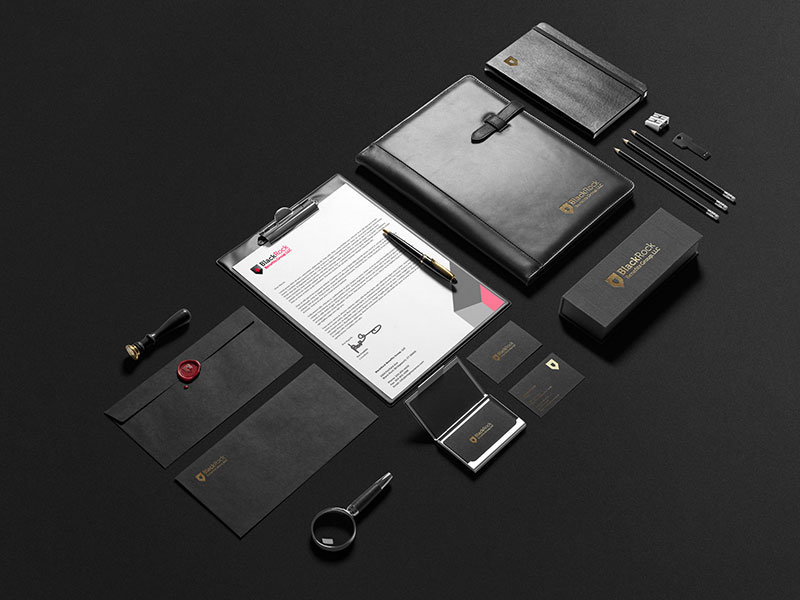
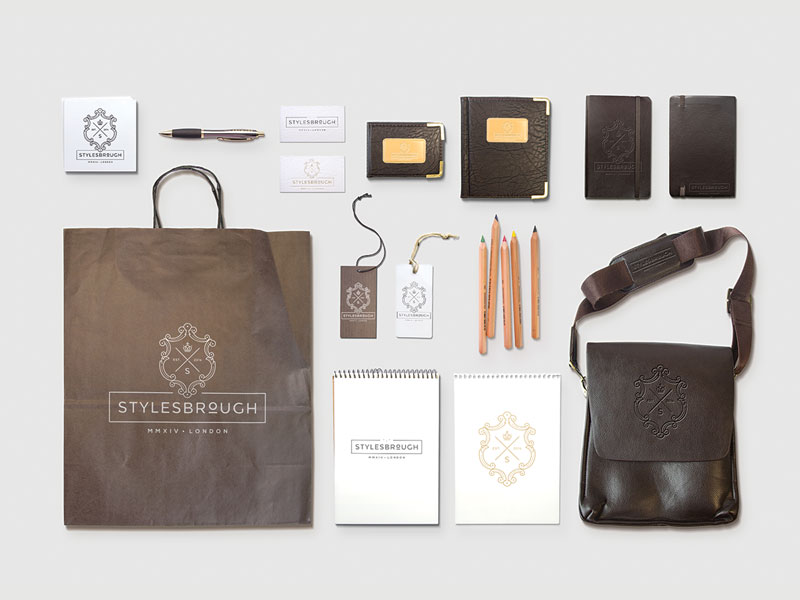
Visual identity complements your brand identity but is exclusive in itself. It includes graphics, color palettes, design elements, and more. Once finalized, it extends through your ads, business cards, logos, campaigns, and business communications.
The foundation of visual identity rests on a few key elements. Lines create shapes, guide the eye, and evoke emotions. Horizontal lines convey calmness and stability, vertical lines denote strength and professionalism, diagonal lines suggest dynamism. Color is one of the most critical elements because it evokes emotions and associations instantly: red symbolizes passion and energy, blue suggests trust, green represents nature and growth. Shape communicates messages too, with circles representing unity, squares symbolizing stability, and triangles conveying direction. Texture adds depth and perceived surface quality, while framing organizes information and uses white space to create breathing room. Typography plays a critical role in readability and personality, with serif fonts suggesting sophistication and sans-serif fonts implying modernity.
Each of these elements comes together in balanced proportion to bring forth a visual identity that signifies your brand. Maintaining consistency might seem simple, but when you are in the competitive world and see something else working for a competitor, it is easy to waver and try to copy their approach. Resist that impulse.
Building brand loyalty and advocacy
Amazon, which offers a wide range of products and cheap two-day shipping, is a brand to look up to. Simplifying your offering may not be enough of an edge. You must focus on stellar customer service. If you cannot out-compete Amazon, Walmart, and other giants, out-nice them.
Get your name out there. Over 65% of customers have tried new brands when their go-to solutions were out of stock, according to Food Business Network. Do what you need to do to get noticed.
Content marketing is a powerful way to stand out against the giants. People crave connection. You can create valuable content that fuses your passion, product, and mission with awareness and sensitivity. Blog posts, quality social media content, guest posts, videos, photos, and podcasts all work. Keep it simple, engaging, and short enough to prevent attention deficits.
Move away from a siloed marketing approach. The way forward is a broad, holistic approach that covers much ground simultaneously, combining social media marketing, YouTube, and influencer solutions.
Differentiating your brand
Put yourself in your loyal customers’ shoes. Why should they seek you out? What makes you special? Think of your competition. How can you become the intuitive choice?
Consider four factors when planning your brand strategy. First, what differentiates your brand? This is your unique selling proposition, and it must resonate with your audience. Second, who is your target market? Understanding their needs, preferences, and buying behaviors helps you tailor everything to the right audience. Third, what is your frame of reference? This is the context within which your brand is perceived, defined by your market segment, product categories, and the competitors you are compared with. Fourth, what is your proof? Testimonials, certifications, case studies, and data showing effectiveness all reinforce credibility.
Your frame of reference is what your customers and potential clients think of your brand. The human brain operates on association, so when customers come across your branding for the first time, they naturally try to associate you with similar companies. You may not want those associations, so you should always strive to create your frame of reference consciously and on purpose.
Your competitive frame of reference should set you apart by reducing the number of brands you are competing with. This usually requires that you narrow your focus or specialize. If you spread too thin, you dilute your brand. Once you narrow your scope, work hard to establish credibility. Create case studies. Publish white papers. Show potential customers you are reliable.
When it comes to brand positioning, focus on what you can control. You may have been forced to streamline your product offering, but you can control how, when, and where you advertise.
Brand building on a budget
Cash is king. As you look for ways to market, try to cut costs in other areas. Operate as lean as possible. Consider leasing equipment instead of buying. Reduce company travel by allowing employees to telecommute. If your office lease is up for renewal, renegotiate.
If you have never dipped your toes into digital marketing, now is the time. Many forms of digital marketing are cheaper than print marketing or media buys. With so many people online, the transition makes sense.
Compile a list of the software you use regularly. Monthly and annual subscription models add up fast. There is an open-source version of most premium software out there. It takes time to learn, but it saves money.
Experiment with new, lower-cost business models. Many restaurants survived by creating and selling meal kits or transitioning completely to delivery and takeout.
Customer-centric approach
If you are familiar with the story of Sam Walton, you know that a big part of his driving force was customer experience. His entire business model was to give people what they wanted.
Walton’s frustration with small-town American shopping drove him to start the first Walmart store. He and thousands of rural Americans had to visit two, three, or even four stores in a day to get all the goods they needed. It was an annoyance. Walton offered a simple proposition: do all your shopping under one roof. One trip. One parking spot. Less headache.
Put yourself in the headspace of your target customer to this degree. Update your customer profiles so you can align your brand archetypes with them. Reevaluate these profiles regularly. Detailed profiles help you understand the difference between wants and needs, customer motivations, sense of self, and beliefs and values.
Maintaining harmony between marketing and brand
The goal is balance, not sacrifice. Do not sacrifice long-term brand awareness for short-term sales growth. Striking a balance allows you to fuel overall growth by acquiring new market share.
It can be tempting to focus on short-term campaigns, especially when the pressure is on to get sales. Short-term campaigns offer a clear picture of ROI and quickly get new customers into the funnel. But if you are acquiring customers through promotions like discounts, free samples, and contests, you may neglect a critical segment: your existing customer base.
Reach out to your established customers while seeking new ones. Start a blog. Start a YouTube channel. Spruce up your social profiles. Maintain a consistent presence across all relevant platforms. Hold webinars. Do not lose sight of your long-term brand-building goals.
Practicing flexibility
Flexibility in business and branding is a practice. It is like meditation: you do it intentionally over time. It is not one-and-done.
Developing business flexibility allows you to be open to new ideas from staff, investors, or yourself. It lets you think up innovative product offerings that do not put your cash flow at much risk. It lets you offer flexible work options, keeping staff happy and improving your public image. It makes you more open to new hires who increase organizational resiliency.
Many business owners tend to become rigid and risk-averse. The side effect of this conservative stance is that they miss out on opportunities that can pay off in big ways. If you are not ready to embrace full flexibility, try making one small change a week. These changes add up, and you may notice enhanced efficiency, idea generation, or sales.
If you need a brand identity system that speaks for your brand, contact us. We have a customer-centric approach with a design team that can build the right brand for you.

Mash Bonigala
Creative Director & Brand Strategist
With 25+ years of building brands all around the world, Mash brings a keen insight and strategic thought process to the science of brand building. He has created brand strategies and competitive positioning stories that translate into powerful and stunning visual identities for all sizes of companies.
Featured Work
See Our Work in Action
Real brands, real results. Explore how we've helped businesses transform their identity.
Client Love
What Our Clients Say
Don't just take our word for it. Hear from the brands we've worked with.

Jenny Richard
Woods Of Fairfax
"Working with the team at Spellbrand has been fantastic! I spent time researching companies that would help me build brands for each asset that are all in different locations and more specifically build a brand that could help tell each of their unique stories. Spellbrand did just that. The process was easy. To provide them with my initial thoughts through a nicely-outlined input form they sent to me and they took that information and created a number of awesome designs. I was able to incorporate "the story" easily with a design we selected. I'm excited to get it into action and see what's in store for the next project. Also, each person I worked with has been super responsive, knowledgeable, and awesome to work with! Kudos to Mash, Mike, and Eva! I really enjoy working with you!"

Liana Alexander Raye
Harlequin Starr International Styles
"Working with the Spellbrand team has been incredibly easy. Mash has a team of experts who are extremely visionary and pioneering, pulling together ideas and initial thoughts into an actual brand giving you options that you feel best align with your thought process. I have no idea how they created my brand based on the vague brief I gave them, but they have worked wonders and magic. Their design, attention to detail, willingness to ensure the final product is exceptional all counts towards a company who has the client at the forefront of mind at every step of the way. Spellbrand is my Number 1 go to for all branding, website and design concepts moving forward. I look at them as an extension to our marketing arm. Just brilliant."
Related Services You Might Love
Based on what you just read, here are services that can help you achieve similar results for your brand.
Free Download
Brand Strategy Canvas
Map your brand positioning, audience, messaging, and competitive advantage on a single page. Fillable template.
Success! Check your email for the download link.
Instant PDF download. We'll also send branding tips -- unsubscribe anytime.
Keep Reading
Related Articles

Mar 26, 2026
Brand Culture: How to Build an Internal Culture That Amplifies Your External Brand
Your brand is only as strong as the people who deliver it. Learn how to align internal culture with your external brand promise so that every employee interaction reinforces what your marketing communicates.
Read More
Mar 21, 2026
Sales Funnel Mastery: The Complete Guide to Building Funnels That Convert
How to build, optimize, and scale sales funnels that convert strangers into loyal customers. Covers landing pages, email sequences, metrics, and conversion optimization.
Read More
Mar 21, 2026
Startup Branding: The Complete Guide from Zero to Launch
Everything startups need to know about building a brand on a budget. Covers identity, strategy, common mistakes, and budget-friendly approaches that work.
Read More