

Spellbrand Blog
The Ultimate Guide To Creating A Brand Marketing Plan

Your marketing plan should exist before you name your company. I am not kidding. The plan covers brand strategy, positioning, naming, identity development, product pricing, distribution, sales, retention, and campaigns. All of it should be in motion before you launch.
There is no universal marketing plan. Every industry and market segment is different, and how you approach the messaging for each sector will be different. This guide lays out the sections you need to work on. If you are new to branding, start with our step by step guide to creating a brand first.
Start with scope and objectives
Before anything else, establish what your marketing plan covers and how far it reaches.
A marketing plan can be a simple one-pager or a 50-page document covering every possible scenario. In my book, I would not listen to people who say simpler is always better. The logic behind that is that things change and even the best laid plans crumble when faced with reality. I advocate a middle path. A great marketing plan should be detailed enough to act as a guide when you go about building the company and refer to each section before you engage in activities. This is as important as knowing how to figure out the ROI of your marketing strategy.
Establish a rough timeline and add padding for each section. Underestimating the time a particular task takes is the downfall of any marketing plan.
Describe your company, the markets you serve, the products or services you sell, and your high-level strategic and financial goals. The company introduction gives potential investors background information and context for why the venture matters.
Be specific about your products and services. Describe the problems they solve and how they make your customers’ lives better. You cannot be too detailed here. As you write this section, you will start realizing things about your offering that you never considered before.
Then describe the market you want to play in, including the forces that may influence your brand. Anticipating obstacles early is critical.
Set high-level strategic goals: increasing market share, outperforming competitors, building brand awareness, creating partnerships, generating publicity. Then set numeric goals: total revenues, new customers, distribution channels, market share targets.

Competitive positioning
To build a successful brand, you need to analyze your markets and define your positioning for each one. This means understanding the market and then figuring out how to differentiate your brand within it to create maximum value.
This is not about being loud or attracting attention. That comes under marketing campaigns. Here we are talking about fundamental differentiation that goes deep into the soul of the brand.
Market analysis
Start by creating a detailed market profile. Understand the pain points your product or service addresses. Who are your customers? What is their world view?
When analyzing the market, look at:
- The industries you are addressing and the market size
- The geographical area you plan to cover
- For B2B: ideal company size, stage, and structure
- Who makes the buying decisions
- The competitive landscape
- Trends in your market
- Whether the market is growing or contracting
- What stage your market lifecycle is in: introduction, growth, maturity, or decline

The lifecycle stage is particularly important because it determines your positioning approach. In an introductory market, you need to educate prospects that a problem exists and your solution addresses it. In a growth market, you focus on why buyers should choose you over competitors. In a mature market, you focus on why your product is better and watch your pricing strategy carefully. In a declining market, you may need to compete on price or go niche while innovating.
Market segmentation and buyer personas
Once you have analyzed your market, segment it and create detailed buyer personas. A detailed buyer profile helps you understand the buyer’s journey, which feeds directly into your positioning strategy.
Your market segmentation can be based on the problems your potential customers face and the solutions currently available, the buyer personas themselves, or industry and geographic segments.
When evaluating the problems your customers face, consider: How are they solving the problem today? How is the competition solving it? Do you have a better solution? What matters most to your customers? Why should they buy from you instead of a competitor?
Be very critical about your product or service. Do you merely think you have a better solution, or is it really the case? Most businesses think they have a superior offering. Very few actually do.
Creating a detailed buyer persona sheds light on your customer’s world view and helps you craft positioning that connects directly with them. Here is our detailed guide on how to create buyer personas.
Competitive analysis
Research your competition to identify opportunities and understand the mindshare competitors already own.
Start by figuring out the criteria you will use to rate competitors against your brand. Different market segments may require different criteria. Examples include price, quality, uniqueness, features, service, innovation, brand recall, reputation, and market share.
Once you complete the rating, ask yourself: Where do you score high or low? Are there categories where you score poorly? Can you improve any scores right away?
Then conduct a SWOT analysis to visualize your strengths, weaknesses, opportunities, and threats. It also helps to figure out your competitors’ value propositions. They typically deliver value through one of three approaches: operational efficiency, product leadership and innovation, or outstanding customer service. Knowing which approach your competitors use is invaluable for your own positioning.
Brand strategy
A brand is the complete experience that prospects and customers have with your business. It is the promise you make and the one you keep. Visual elements like logo design, identity, website, and marketing materials are part of it, but they are only a part of the brand experience.
Your brand strategy includes the messages you broadcast, the service you provide, your terms and policies, the emotion your brand evokes, and the personality it projects.
Brand essence
Figuring out the emotion your brand needs to tap is fundamental. Part of this is determining whether your brand leads with features or benefits. It is not enough to simply say you should always talk about benefits. Some markets require a focus on features while others respond better to benefits.
In our guide on how to create an emotional brand, we cover the core principles. A feature is something your product does. A benefit is how your customer feels from using it. Translating features into emotional benefits should be done carefully and in line with your brand’s core values. If an emotional benefit feels manipulative or contradicts what your brand stands for, drop it.
Creating meaningful connections starts with identifying genuine emotional benefits and communicating them honestly. Avoid over-promising and under-delivering. If you can figure out your brand’s genuine emotional values and communicate them effectively, you will differentiate your brand and gain both mindshare and market share.
What does your brand mean to your customers? Does it stand for something in their minds? Does it connect in a unique way? Does it inspire trust? Storytelling plays a large role here. These are the questions that matter.
Brand experience and promise
Define the personality traits of your brand. If your brand were a human, how would you describe her? Human personality traits help you create messaging that leaves your audience with a memorable brand experience.
A brand promise is not a description of what the company does. It is the promise of how it will deliver value beyond the product or service itself.
Brand visual language
Most business owners think about their logo, stationery, social media channels, and website design with their logo slapped on.
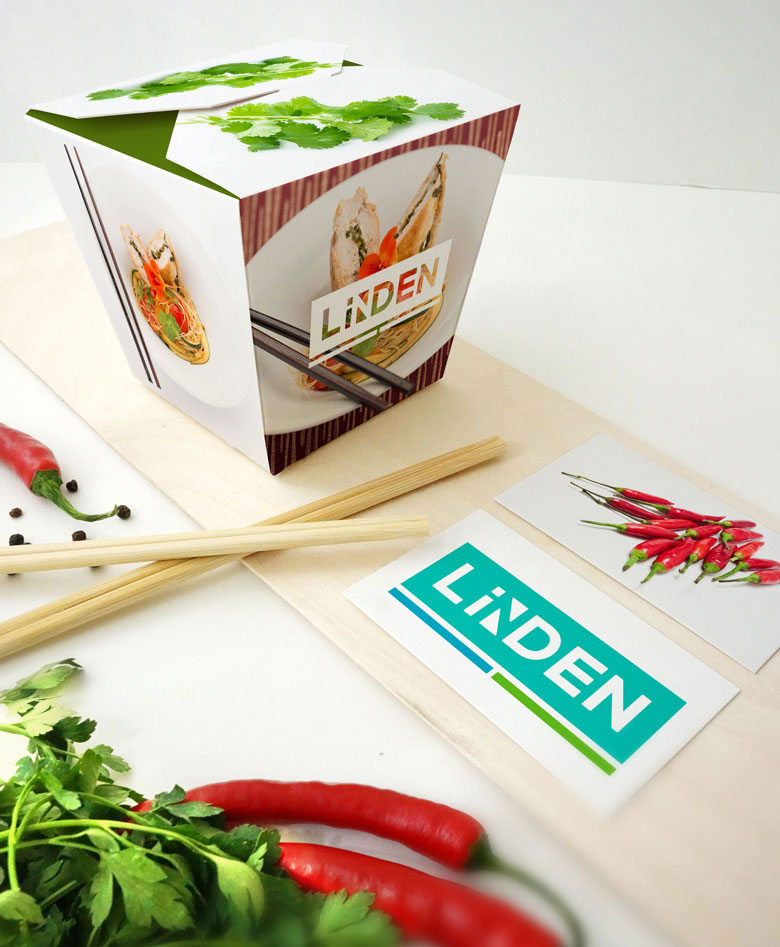
But a brand’s visual language goes deeper: secondary brand marks, official patterns, package design, brand visual imagery guidelines, photography tone, and more. Translating your brand mission into a distinctive visual identity is fundamental to standing out in the market.
Product, service, and pricing
Once you have clearly defined your product or service, consider your pricing strategy. Pricing reflects the value you provide and what the market is willing to pay. It determines whether you hit revenue goals and turn a profit.
Bad pricing can kill your business. Your pricing strategy must be based on value. If your market lifecycle stage is mature or declining, you will get pulled into pricing wars. In those situations, brand positioning becomes even more important.
Price too low and you attract the wrong customer. Price too high and you edge yourself out. The goal is to build your brand so you can command a premium rather than being at the mercy of market pricing.
If your value proposition is operational efficiency, you can afford pricing similar to or lower than the competition. If you are a product leader or innovator, you can charge premium prices. If customer service is the driver and you deliver luxury experiences, you can command luxury prices.
Distribution and sales
You may wonder why a marketing plan guide covers sales. This plan is a blueprint for all activities that generate revenue and profits. Identifying distribution channels and summarizing a sales plan matters at this stage.
Channels include direct sales, online sales, catalog sales, wholesale and distributor sales, dealer and retail sales, and more. If you are launching into a large market quickly, a channel with a large sales force or a major retailer is the best strategy. If you need to grow revenue fast, look at multiple streams through multiple channels.
Once you identify your main distribution channels, outline a sales plan for each. Use the buyer personas you created to find the best tactics. If your buyer spends time on social media, your sales plan should include offers, promotions, and social media marketing tactics.
Marketing campaigns
This section pulls together everything from your marketing plan. Research and identify campaigns across channels: email marketing, social media marketing, search engine marketing, direct marketing, trade shows, online media, TV, magazines, and traditional publicity.
At this stage, you do not need every detail for every campaign. Outline high-level plans with a few ideas and rough budget estimates:
- Top 3-4 campaigns and the channels they will run in
- How you plan to use media (email, social, etc.)
- Software and tools you plan to use
- Rough goals each campaign should generate
These plans will change during implementation, but they give you milestones on the marketing calendar and help with budgeting. Be aware of cognitive biases that can distort how you evaluate campaign performance. Let the data guide your decisions, not your gut.
Pulling it together
This is a vast topic compressed into a single article. I have linked to detailed articles on each concept introduced here. Marketing is as much art as science, and this guide is meant to get you started on a blueprint. As you go, you will adjust the plan according to your situation, market, and brand values.
If you have questions about any of this, reach out from our contact page.

Mash Bonigala
Creative Director & Brand Strategist
With 25+ years of building brands all around the world, Mash brings a keen insight and strategic thought process to the science of brand building. He has created brand strategies and competitive positioning stories that translate into powerful and stunning visual identities for all sizes of companies.
Featured Work
See Our Work in Action
Real brands, real results. Explore how we've helped businesses transform their identity.

Client Love
What Our Clients Say
Don't just take our word for it. Hear from the brands we've worked with.

Raymond Chen
RLC Global Archicom, Singapore
"SpellBrand was very accommodating from the beginning of the design process even when we had distinct design ideas, being architect designers ourselves. Jeff responded with many preliminary style options based on our initial sketchy ideas, enabling us to zoom in on the specific feel we were looking for. From that point on, it was just refinement and the final logo was in our hands in a matter of days. We have used SpellBrand on other logos for my clients projects."

Jenny Richard
Woods Of Fairfax
"Working with the team at Spellbrand has been fantastic! I spent time researching companies that would help me build brands for each asset that are all in different locations and more specifically build a brand that could help tell each of their unique stories. Spellbrand did just that. The process was easy. To provide them with my initial thoughts through a nicely-outlined input form they sent to me and they took that information and created a number of awesome designs. I was able to incorporate "the story" easily with a design we selected. I'm excited to get it into action and see what's in store for the next project. Also, each person I worked with has been super responsive, knowledgeable, and awesome to work with! Kudos to Mash, Mike, and Eva! I really enjoy working with you!"
Related Services You Might Love
Based on what you just read, here are services that can help you achieve similar results for your brand.
Free Download
Brand Strategy Canvas
Map your brand positioning, audience, messaging, and competitive advantage on a single page. Fillable template.
Success! Check your email for the download link.
Instant PDF download. We'll also send branding tips -- unsubscribe anytime.
Keep Reading
Related Articles

Mar 26, 2026
Brand Culture: How to Build an Internal Culture That Amplifies Your External Brand
Your brand is only as strong as the people who deliver it. Learn how to align internal culture with your external brand promise so that every employee interaction reinforces what your marketing communicates.
Read More
Mar 21, 2026
Sales Funnel Mastery: The Complete Guide to Building Funnels That Convert
How to build, optimize, and scale sales funnels that convert strangers into loyal customers. Covers landing pages, email sequences, metrics, and conversion optimization.
Read More
Mar 21, 2026
Startup Branding: The Complete Guide from Zero to Launch
Everything startups need to know about building a brand on a budget. Covers identity, strategy, common mistakes, and budget-friendly approaches that work.
Read More