

Spellbrand Blog
The Art of Storytelling in Branding

Have you ever caught yourself humming a jingle from an ad you saw years ago? That’s the magic of a good story. It’s not the flashy logos or the catchy slogans that make a brand unforgettable. It’s the story behind it, the narrative that weaves through every product, every campaign, every customer interaction.
The brands that linger in your mind, the ones you return to repeatedly, aren’t just selling you a product. They’re telling you a story that resonates with your experiences, dreams, and very identity.
In today’s market, where consumers are bombarded with thousands of marketing messages daily, a compelling story can be your brand’s beacon. It cuts through the noise, connects emotionally, and transforms your brand from another option to a living, breathing entity with its own personality and values. This isn’t just marketing. It’s about creating a narrative universe where your brand and customers are the main characters in an ongoing saga.
The power of a good story
We can recall our favorite childhood tales or movie plots years later, but we struggle to remember a list of facts and figures. Humans are hardwired for stories. Our brains aren’t passive receivers of information; they’re active story processors, constantly seeking narratives in the chaos of data around us.
When we talk about storytelling in branding, we’re tapping into something primal. It’s not an add-on or a marketing gimmick. It’s at the core of how we understand and navigate the world.
Stories are how we make sense of complex information, how we connect with emotions and experiences.
A well-told brand story isn’t just remembered; it’s felt. It creates a vivid, emotional connection that facts alone can’t achieve. We’re not talking about making a sale. We’re talking about creating a lasting bond, a sense of shared values and identity between your brand and your audience. It’s about creating a world your customers want to be part of. In today’s crowded market, that’s not just important. It’s fundamental.
Brands that tell great stories
Apple’s “Think Different” wasn’t just a slogan but a narrative carefully crafted over years. They positioned themselves not as a technology company but as a group of rebels challenging the status quo and empowering their users to do the same. Each product release wasn’t just a launch but a new chapter in their ongoing story of revolutionizing technology.
Nike’s narrative goes beyond selling athletic wear. Their ads feature stories of perseverance, determination, and overcoming obstacles, whether the protagonist is a professional athlete or an everyday person pushing limits. “Just Do It” is a story compressed into three words.
Airbnb transformed the hospitality industry not just through its business model but through storytelling. They shifted the narrative from places to stay to stories about experiences and belonging. Their platform encourages users to share their own stories, creating a tapestry of narratives from around the world.
Coca-Cola’s branding has always been about more than a soft drink. From iconic Christmas ads to the “Share a Coke” campaign, their storytelling creates a sense of warmth, nostalgia, and universal connection. The product is almost secondary to the feeling.
Tesla’s narrative isn’t about selling electric cars. It’s about a vision for the future, about innovation, sustainability, and challenging an entire industry’s status quo. Tesla positions itself as a pioneer leading the charge toward a different way of living.
What these brands share is that they all transcend their product. They focus on a larger narrative aligned with their audience’s values. They evoke emotion. They maintain consistency across every touchpoint, creating a cohesive and powerful story. And they invite the audience to participate, fostering connection that runs deeper than any transaction.
Crafting your brand’s story
Creating a brand story isn’t about stringing together a catchy narrative. It’s about finding the essence of your brand and translating it into something that resonates. Here is how to approach it.
Start with your core values. What are the principles that guide your business? Innovation, tradition, sustainability, luxury? These values are the foundation of your story. They give your narrative depth and authenticity that separates it from a marketing exercise. Without them, you’re just telling stories. With them, you’re expressing who you are.
Then understand your audience. Who are you telling this story to? What are their needs, desires, and frustrations? How does your brand fit into their lives? Your story should speak directly to them, addressing their aspirations in language they recognize. A compelling brand essence emerges when you find the overlap between what you stand for and what your audience cares about.
Give your brand a personality. Is it quirky, serious, adventurous, down-to-earth? This personality guides the tone and style of everything you write and say. It should be consistent whether someone reads your packaging, scrolls your social feed, or calls your customer service line.
Your origin story matters more than most brands realize. How did you come to be? What sparked the idea? What obstacles did you face? Origin stories make brands relatable and human. They give people something to root for.
Be clear about what sets you apart and weave it into the narrative. Your differentiator should not sit in a separate section of your website. It should be part of the story itself, visible in every chapter you tell.
Use real customer experiences wherever possible. Testimonials, case studies, and user-generated content add a layer of relatability and social proof that no amount of self-promotion can match. When real people tell your story for you, it carries more weight.
Keep it simple and stay honest. Avoid jargon. The simpler your story, the more likely it gets remembered and shared. And authenticity cannot be faked. If your story doesn’t align with your actions, customers will notice. Authentic stories build trust. Manufactured ones destroy it.
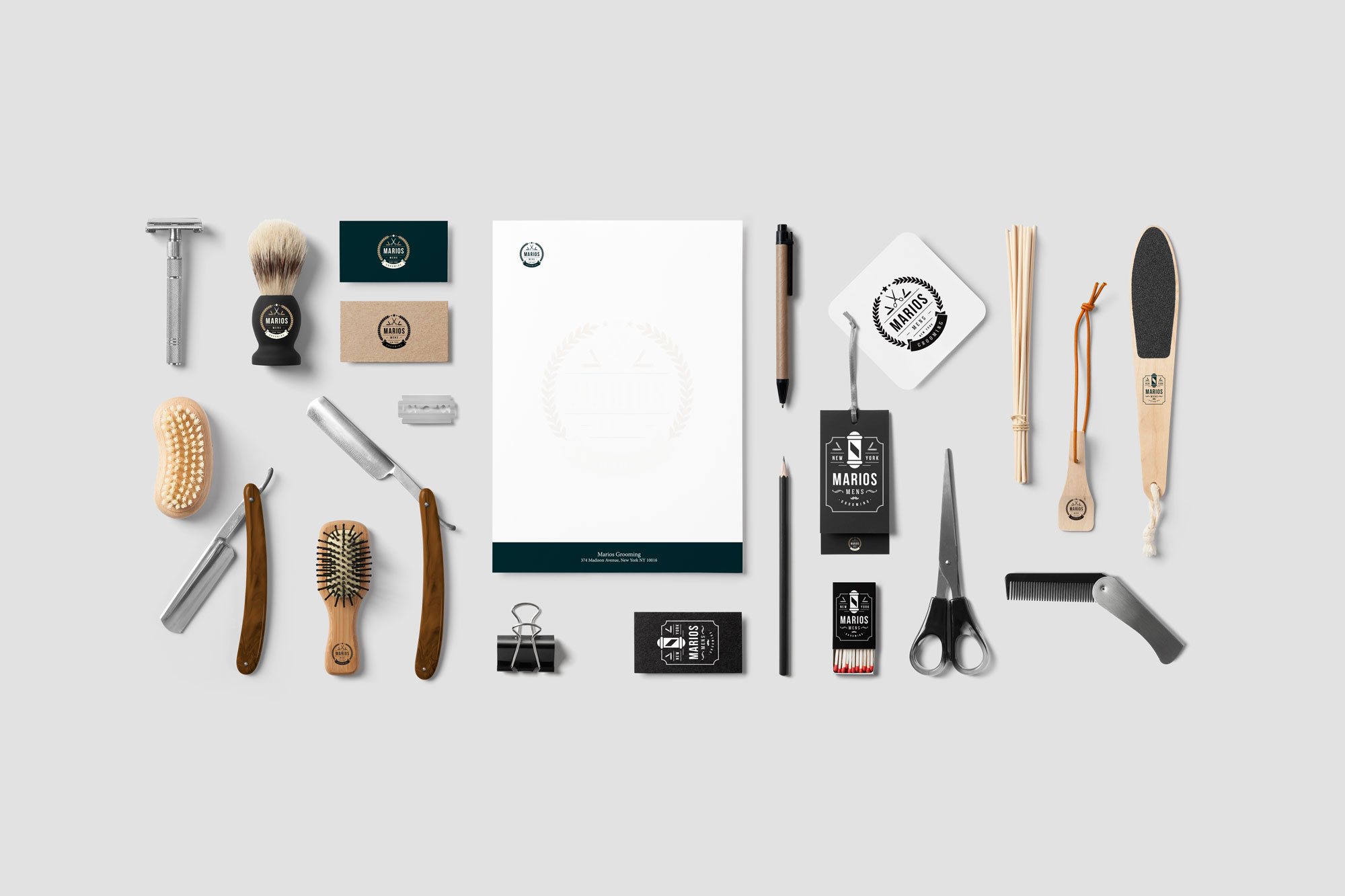
Make it visual. Use images, video, and design to bring your narrative to life. Your visual elements should align with your brand’s personality, creating a consistent brand identity across everything you produce.
Emotional connection and loyalty
In branding, emotional connection is what transforms a one-time buyer into a lifelong customer. This isn’t about transactions. It’s about forming a bond that goes beyond the usual buyer-seller relationship.
People connect with people, not products. When your story reflects the values and beliefs of your audience, it creates a sense of belonging. This shared understanding drives loyalty more powerfully than any discount or feature comparison.
The emotional dimension goes beyond features and benefits. It’s about how your product fits into your customers’ lives and how it makes them feel. Do they feel empowered, safe, inspired? Narratives about overcoming challenges, achieving dreams, or making a difference tap into these feelings in ways that product specs never can.
Consistency reinforces the bond. Your brand messaging should create the same emotional experience whether someone sees an ad, visits your website, or talks to your sales team. When the story matches the experience at every point, trust builds. When it doesn’t, fluff kills your message.
Invite customers to participate. User-generated content, social media conversations, and community events deepen the emotional connection. When customers see their own experiences reflected in your brand, they become brand ambassadors who carry your story forward without being asked.
Celebrate your customers’ wins. Share stories of how real people have used your product to achieve something meaningful. Recognize loyalty with gestures that show genuine appreciation. These moments compound over time into deep brand loyalty.
Integrating your story across all channels
A story that changes depending on where you encounter it confuses and alienates. Consistency is the backbone of narrative strategy.
Start by mapping every point where customers interact with your brand: website, social media, packaging, advertising, customer service, the product itself. Each platform has a different format, but the core story should be recognizable everywhere. Instagram might be ideal for visual storytelling. A blog is better for depth. Your packaging tells the story through design and copy. But they should all feel like chapters of the same book.
Your voice should be recognizable whether it’s a tweet, a blog post, or the copy on a shipping box. This means training everyone who communicates on behalf of the brand to understand and use that voice. A style guide keeps things anchored as teams grow and channels multiply.
Visual consistency matters just as much. Your logo, color palette, typography, and imagery style should be adapted for each platform’s format but remain unmistakably yours. The difference between a billboard and a Twitter feed is format, not identity.
All marketing campaigns should reinforce rather than contradict your narrative. A seasonal promotion should still sound like your brand. A new product launch should feel like the next chapter, not a different book. Every piece of content you create can be repurposed across channels: a blog post becomes a series of social posts, a customer story becomes a video, a key insight becomes an infographic. Cross-promotion between channels drives traffic and reinforces recognition.
Train your staff to embody the brand’s values in every customer interaction. The customer journey from discovery to purchase and beyond should tell one continuous story. Learn more storytelling techniques in our guide on becoming a brand story expert.
Measuring the impact
Crafting a story is part art, part science. The creative side matters, but so does knowing whether the story is landing.
Social media engagement, likes, shares, comments, and mentions, tells you whether your story resonates enough for people to interact with it. Website analytics reveal how long visitors spend with your storytelling content and whether it leads to action. Track conversion rates on pages where your narrative is strongest and use A/B testing to learn which story elements drive results.
Go beyond quantitative data. Ask customers directly through surveys and feedback. Run sentiment analysis on reviews. Are people mentioning your values and story in their own words? That’s a sign the narrative has taken hold. Regular brand perception studies show whether awareness and associations are moving in the direction you want.
Loyalty metrics matter most over time. Repeat purchase rates, Net Promoter Scores, and referral rates reveal whether your story builds lasting relationships or just generates momentary interest. Employee engagement is another signal: when your own team actively shares and promotes the brand story, it amplifies reach and authenticity.
Track sales trends alongside storytelling campaigns to connect narrative investment to brand awareness and revenue growth. Consider long-term value too. Customer lifetime value and brand equity accumulate over years, and a strong story is one of the few marketing investments that compounds rather than depreciates.
Think of your brand’s story as its heartbeat, vital and life-giving. It’s not just a series of events or a catchy tagline; it’s the essence that fuels every part of your business.
When you master the art of storytelling, you’re not just selling a product. You’re offering a piece of a larger narrative, one that your customers want to be part of. This is how a brand moves beyond being another option in the marketplace to become an iconic presence in people’s lives.

Mash Bonigala
Creative Director & Brand Strategist
With 25+ years of building brands all around the world, Mash brings a keen insight and strategic thought process to the science of brand building. He has created brand strategies and competitive positioning stories that translate into powerful and stunning visual identities for all sizes of companies.
Featured Work
See Our Work in Action
Real brands, real results. Explore how we've helped businesses transform their identity.

Client Love
What Our Clients Say
Don't just take our word for it. Hear from the brands we've worked with.

Josh Amburn
Lakefront Docks and Lifts
"I came into this project expecting to get the best logo for our brand. That’s exactly what I received. The team at SpellBrand used the descriptions of what we do along with a color palette of our site to design three amazing concepts. Once we decided on what worked best for our needs, they worked diligently to perfect the design. Their use of their project management software makes the collaboration painless. Great work team! We’ll see you on the next project! Josh"

Ernest Bannister
M.O.R.E
"My experience with the Spell brand team has been nothing short of excellent. From the beginning Mash and team made me feel very comfortable with the design process. I am extremely happy with the results of my design and look forward to working with Spellbrand; exclusively! I have told many family, friends and peers about the great work the Spellbrand team has done in creating my design. Thanks again for all your patience and professionalism; I look forward to working with you in the future."
Related Services You Might Love
Based on what you just read, here are services that can help you achieve similar results for your brand.
Free Download
Brand Consistency Checklist
A 27-point checklist to audit your brand across every touchpoint. Used by our team on real client projects.
Success! Check your email for the download link.
Instant PDF download. We'll also send branding tips -- unsubscribe anytime.
Keep Reading
Related Articles

Mar 21, 2026
Brand Gravity: How to Build a Brand That Pulls Customers In Instead of Chasing Them
Stop chasing customers. Learn how to build brand gravity, the strategic force that attracts customers, talent, partners, and opportunities to your brand instead of requiring constant outbound effort.
Read More
Mar 20, 2026
Brand Trust Architecture: How to Engineer Credibility That Converts Skeptics Into Believers
Trust is the invisible currency of every brand. The strategic framework for building brand trust systematically, from first impression to lifelong loyalty, with the signals, layers, and systems that turn skepticism into belief.
Read More
Mar 18, 2026
The Brand Moat: How to Build Competitive Advantages Your Competitors Cannot Copy
Products can be replicated overnight. Features can be matched in weeks. But a true brand moat -- the invisible force that keeps customers loyal and competitors irrelevant -- takes years to build and is nearly impossible to breach. Here is how to construct yours.
Read More