

Spellbrand Blog
Step by Step Guide to Creating a Winning Brand

If your enterprise is content with a limited customer base, that is a start. But if you want to make waves in the retail and service sector, you need to shift from just selling or providing services to becoming a standout brand.
This is not about overnight magic or just a cool logo. It is about strategic, thoughtful brand building. A strong brand gives your business its own space in the market. It builds trust and recognition. It amps up credibility because customers gravitate toward brands with a solid reputation. And at its core, a strong brand creates emotional connection. When customers feel that connection, they will choose you even if it costs a bit more. That is the power of brand loyalty.

Crafting your brand positioning and strategy
Branding starts well before any visual design. It begins with understanding your market, your audience, and the unique space you want to occupy.
Deep market research using both qualitative and quantitative methods gives you the landscape. Surveys, focus groups, and interviews reveal qualitative insights. Analytics tools give you data on trends, demographics, and buying patterns. Competitive analysis should go beyond surface level: look at competitors’ social media engagement, content themes, and customer interactions to understand what is working in your space and what gaps exist.
Customer segmentation needs to go beyond basic demographics. Behavioral and psychographic data, values, habits, and online behavior, create the detailed personas that let you speak directly to the people you want to reach. Your brand differentiation should use your brand’s unique story to connect on an emotional level: your origins, the challenges you have overcome, and your vision for the future.
Everything you learn should feed a data-driven approach where you continuously monitor performance and refine your strategy. For more depth on each of these topics, read our guide on brand positioning strategy. You can also explore our positioning strategy, brand strategy, messaging strategy, and pricing strategy services.
Creating your brand name
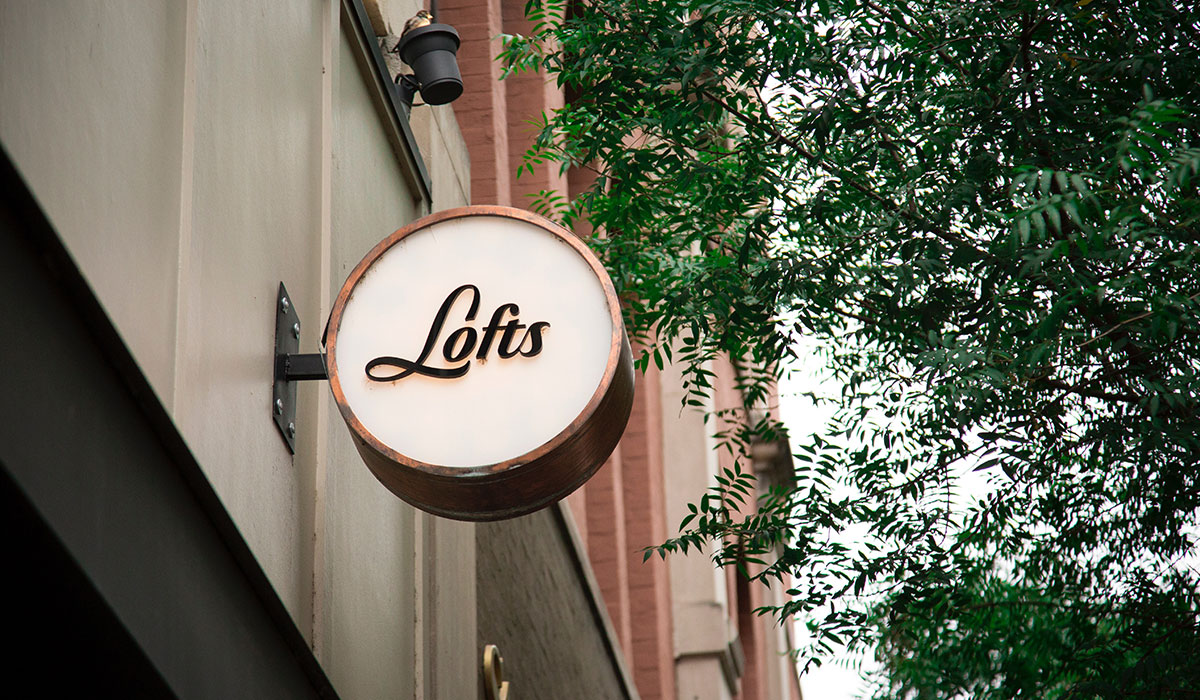
After nailing down positioning and strategy, it is time to crown your brand with a name that resonates. This is not just picking a catchy phrase. It is crafting an identity.
Start with structured brainstorming sessions. Use techniques like associative thinking to connect words related to your brand values, target audience, and industry. Embrace uniqueness: experiment with invented words, blends, or acronyms that are memorable and stand out in a crowded market. Consider cultural relevance and sensitivity so the name works globally, is easy to pronounce, and is free from negative connotations across languages.
Think about online discoverability from the start. The name should be SEO-friendly, easy to spell, and available as both a domain and on social media platforms. Run a thorough trademark search to avoid legal complications down the road. Test the name with your target audience to see how it is perceived and whether it aligns with your brand personality.
Choose a name that can stand the test of time rather than riding trends. Consider the phonetics: it should sound appealing and evoke the emotional response you want. And think about visual potential, how the name will look in logos and branding materials.
Here is an article that will help you create the perfect brand name. You can also explore our brand naming service.
Creating your primary logo design
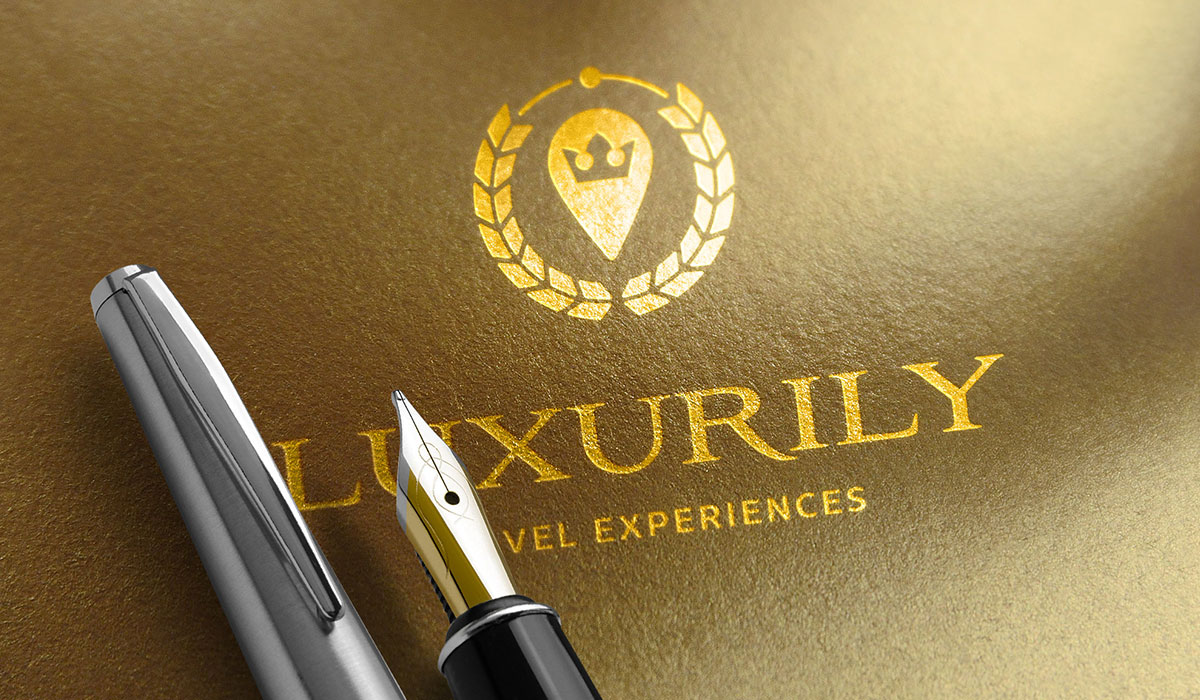
With a name in hand, you need a visual anchor. Ideally, you should aim to create the complete brand identity system, but at the very least, start with the primary logo.
Your logo should be an original creation, not a derivative of existing designs. Every element, from color to shape, should have a purpose and align with your brand story. It needs to be versatile, performing well on your website, business cards, product packaging, social media, and more. That means it must be scalable and look good at different sizes and formats.
The design should resonate with your target audience and be memorable enough to stand the test of time. Choose a cohesive color scheme grounded in color psychology. Select typography that reflects your brand character. And ensure the composition is balanced, drawing the eye and making a strong visual impact.
Share logo concepts with a focus group that matches your target audience. Gather feedback and iterate. Consider hiring a professional designer or agency: they bring a level of polish and strategic thinking that is difficult to replicate independently.
Here is an in-depth article on how a great logo design is created.
Designing your brand identity system
Creating a cohesive brand identity goes well beyond the logo. All visual elements need to sing the same tune.
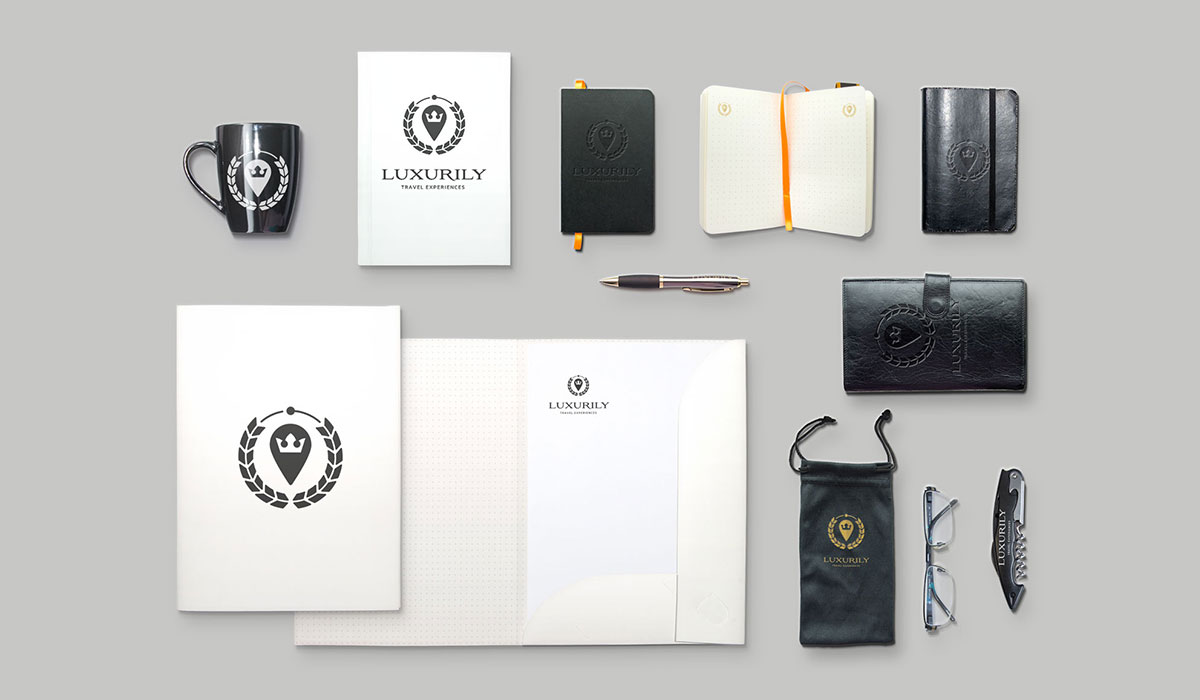
A secondary brand mark complements your primary logo, offering versatility for contexts where the full logo might be too dominant. Use it on product labels, social media icons, or as a watermark. An official brand pattern adds depth and texture to your visual materials, echoing your brand’s essence whether through organic shapes for a nature-inspired brand or geometric lines for a tech company.
Typography is the voice of your brand in written form. Choose fonts that reflect your personality and use them consistently across digital and print. Your color palette should align with brand values and appeal to your target audience. Consistent color use across all channels creates a recognizable identity.
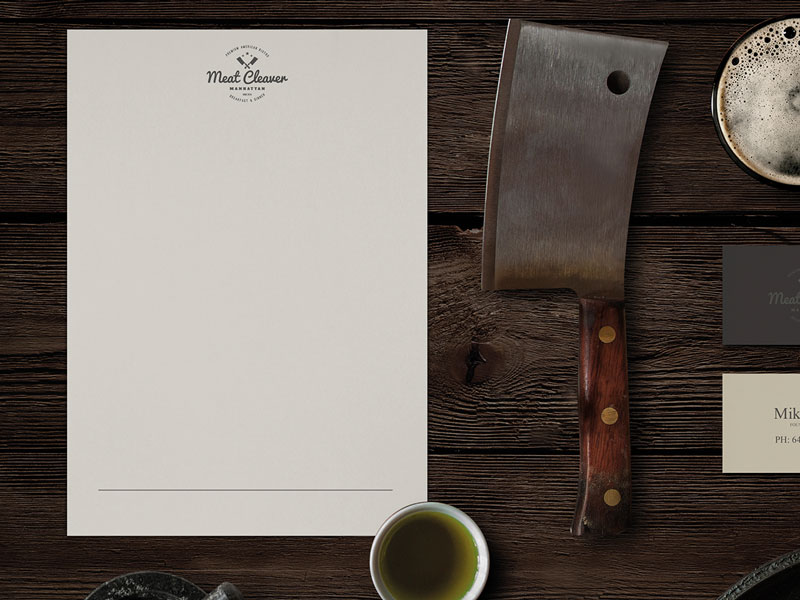
Stationery, including business cards, letterheads, and email signatures, should reflect the identity. Visual hierarchy in design guides the viewer’s eye and delivers the message effectively. Imagery and photography style should complement your brand personality consistently.
Compile everything into a brand guidelines document covering logo usage, color palette, typography, imagery, and usage rules. This ensures consistency regardless of who touches the brand. For a detailed guide, see our brand guidelines creation guide.
Check out our brand identity service and our portfolio of brand identities.
Designing print materials
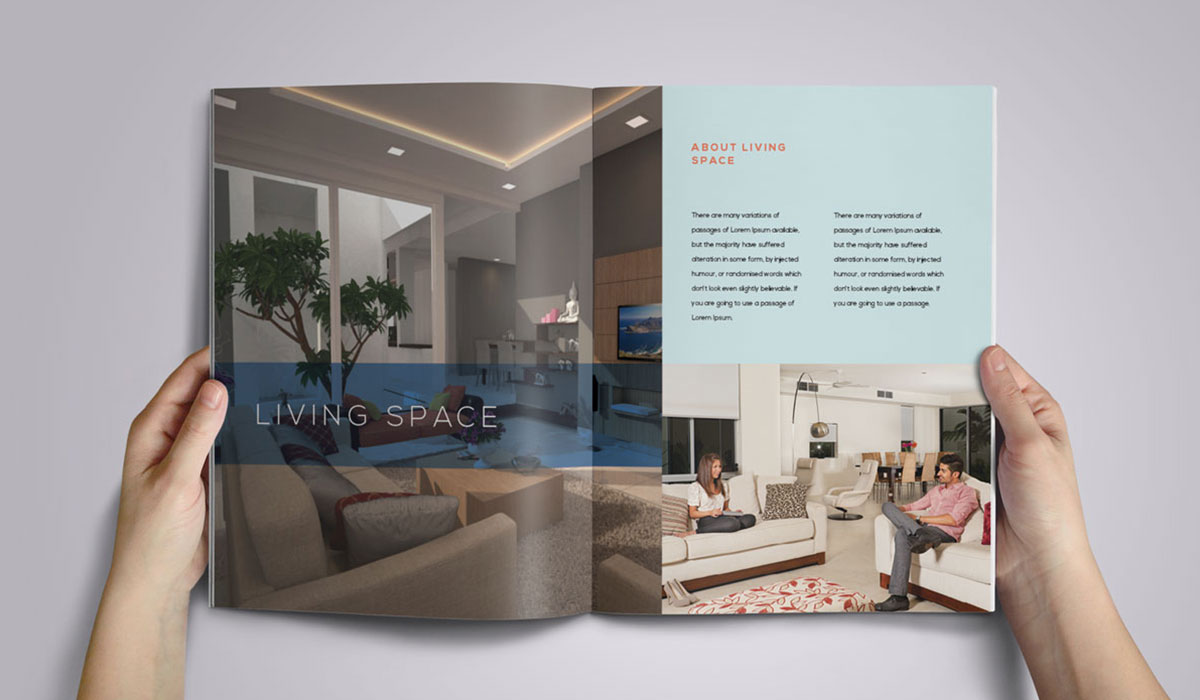
Print materials are tangible expressions of your brand. Brochures should narrate your brand’s story, not just list services. Flyers need to be eye-catching and succinct with clear calls to action. Posters are your brand’s billboards, using impactful visuals and minimal text. PowerPoint templates ensure every presentation stays on brand.
Package design is a direct touchpoint with customers and should be both functional and aesthetically aligned with your identity. Data sheets need to be engaging, using clear headings and infographics to make technical information digestible. Even invoices can be branded to enhance professionalism.
The key across all print materials is consistency. A unified theme builds a cohesive brand image, and high-quality printing and materials reflect the standard your brand represents.
Here is an article that goes into each print element in detail.
Marketing your brand
In the digital age, brand marketing goes beyond making sales. It is about creating a presence that resonates.
A holistic digital strategy should encompass SEO, content marketing, and social media working together to create a cohesive online presence. Content marketing means creating valuable material that engages and informs: blog posts, videos, infographics, and podcasts that showcase expertise and provide real value. Active social media engagement through regular posts, live sessions, and interactive stories boosts visibility and builds relationships.
Influencer collaborations can extend your reach to broader audiences when you partner with people who share your brand values. Build an authentic connection with their audience through long-term partnerships rather than one-off campaigns. Email marketing keeps you in touch with personalized campaigns that drive engagement. SEO optimization improves visibility and attracts organic traffic. PPC advertising offers immediate targeting for specific audiences.
Use analytics to understand what works and adapt strategies accordingly. Foster community around your brand through interactive platforms and genuine engagement. Maintain branding consistency across all platforms so that your image is instantly recognizable everywhere.
Share customer success stories and testimonials as social proof. Host or participate in events and webinars for direct audience engagement. Form strategic partnerships with complementary brands to access new channels. And do not be afraid of bold, creative campaigns that capture attention and get shared.

Domain name registration
Before you design a website, register a domain. This step ties back to naming and should happen in tandem, which is another reason invented or unique brand names are valuable: they make domain availability much easier.
Register the domain as soon as you finalize your brand name. Choose a domain that matches or closely relates to your brand name, preferably a .com. Keep it short, easy to spell, and easy to remember. Avoid hyphens and numbers. Check availability on major social media platforms too.
Set your domain to auto-renew and invest in privacy protection. A few reliable registrars include GoDaddy, Hover, Dynadot, Google Domains, and Namecheap.
Creating your website
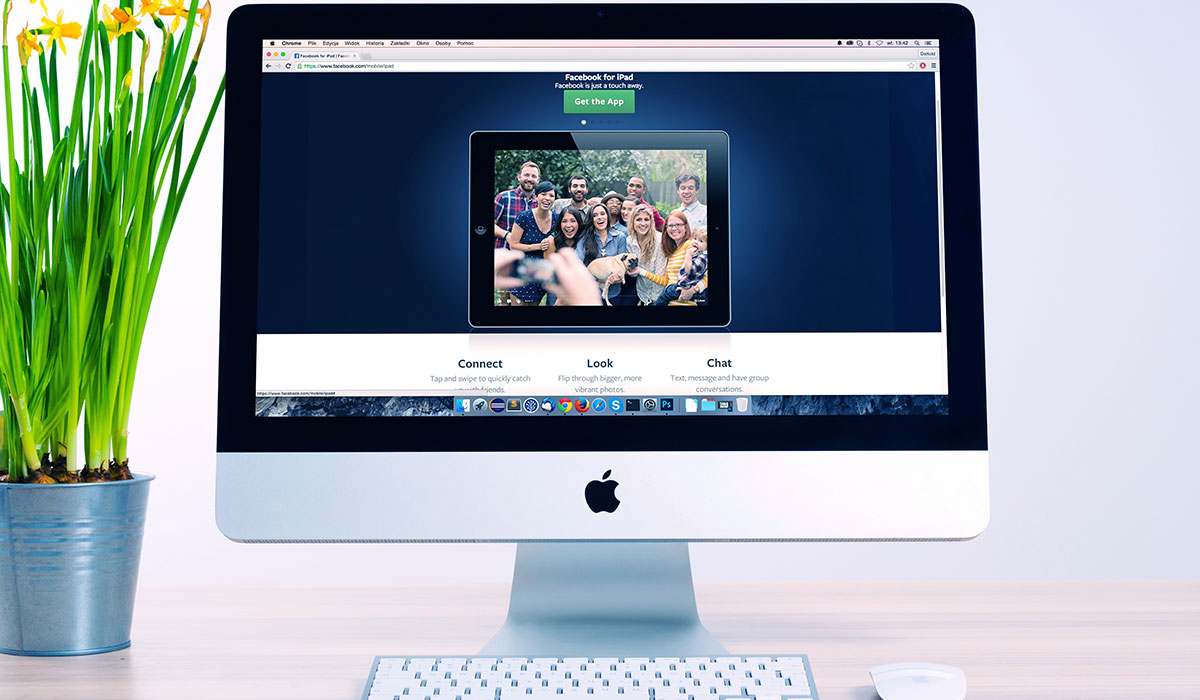
Your website is one of the most important investments you can make into your brand. Even if you are a brick-and-mortar business, your website is a powerful touchpoint that many customers will reach before they do business with you. Do not go cheap on this.
At a minimum, your website needs a CMS (content management system) so you can edit pages, create content, and upload media without running to a developer every time. And it needs a blog: fresh content improves your Google rankings and establishes authority.
Make sure these deadly website design sins are not being committed: slow load times, dated design with too much text, poor mobile experience, low-quality images, weak branding, poor font choices, and reliance on free website builders.
Invest in professional, responsive design that aligns with your brand identity. Prioritize user experience: intuitive navigation, fast loading, and clear calls to action. Integrate analytics to track visitor behavior. Implement security measures like SSL certificates. And include social media integration to encourage sharing.
For more on brand building fundamentals, read our article on the 10 Commandments of Brand Building.
Empowering your social media channels
After the website is designed and hosted, or even before it and right after the brand identity, create your social media presence and design the branding for each platform.
Depending on your market segment, choose two to three main channels to focus on. If you are in clothing, apparel, and fashion, focus on Instagram, Facebook, and YouTube. If you are a law firm or financial consultant, focus on LinkedIn, Twitter, and YouTube.
Maintain a consistent posting schedule with a mix of promotional, educational, and entertaining content. Every post should be relevant to your brand and resonate with the emotions and expectations of your potential customers.
For detailed guidance, read our Ultimate Guide to Social Media Marketing and our guide on creating a social media strategy. I have also written in-depth guides on Twitter, Instagram, Pinterest, and YouTube marketing.

SEO and SEM: staying ahead of the curve
SEO focuses on enhancing your website’s visibility in organic search results. It is an investment of time and effort in optimizing content with targeted keywords, improving site structure, and building backlinks. The beauty of SEO lies in its cost-effectiveness: organic traffic is more sustainable and credible in the long run.
SEM encompasses paid advertising through platforms like Google Ads. This approach provides immediate visibility but requires financial investment, as each click incurs costs. The intricacies of managing successful campaigns, including bidding strategies and ad optimization, often benefit from working with a PPC specialist.
Balancing SEO and SEM is key. SEO builds a strong organic foundation while SEM offers the agility to capitalize on market opportunities quickly. Together, they form a dynamic combination that can significantly increase targeted traffic to your website.
The takeaway
The journey from business to brand is intricate and challenging. Each step, from positioning through digital marketing, builds on the previous one. Skip a step and the foundation weakens. Execute each one with care and you build something that compounds in value over time.
If you want help bringing your brand vision to life, reach out to us. We work closely with clients to ensure that every element of brand development reflects their aspirations and creates real impact in the market.

Mash Bonigala
Creative Director & Brand Strategist
With 25+ years of building brands all around the world, Mash brings a keen insight and strategic thought process to the science of brand building. He has created brand strategies and competitive positioning stories that translate into powerful and stunning visual identities for all sizes of companies.
Featured Work
See Our Work in Action
Real brands, real results. Explore how we've helped businesses transform their identity.

Client Love
What Our Clients Say
Don't just take our word for it. Hear from the brands we've worked with.

Sue Politte
Success In Focus
"Love it! My brand identity and logo helps quickly communicate what I do. I coach very busy business leaders who want to take their organization to the next level and are tired of all the things that are slowing things down or blocking progress. My brand identity needed to grab visual attention and communicate quickly that I help my clients get focus so they gain and build success. My new brand will help my potential clients identify with me. Thank you!!!!"

Liana Alexander Raye
Harlequin Starr International Styles
"Working with the Spellbrand team has been incredibly easy. Mash has a team of experts who are extremely visionary and pioneering, pulling together ideas and initial thoughts into an actual brand giving you options that you feel best align with your thought process. I have no idea how they created my brand based on the vague brief I gave them, but they have worked wonders and magic. Their design, attention to detail, willingness to ensure the final product is exceptional all counts towards a company who has the client at the forefront of mind at every step of the way. Spellbrand is my Number 1 go to for all branding, website and design concepts moving forward. I look at them as an extension to our marketing arm. Just brilliant."
Related Services You Might Love
Based on what you just read, here are services that can help you achieve similar results for your brand.
Free Download
Brand Consistency Checklist
A 27-point checklist to audit your brand across every touchpoint. Used by our team on real client projects.
Success! Check your email for the download link.
Instant PDF download. We'll also send branding tips -- unsubscribe anytime.
Keep Reading
Related Articles

Jan 25, 2025
Color Psychology in Logo Design: The Science of Brand Color
How color psychology shapes logo design. Why certain colors build trust, and how to pick a palette that works for your brand.
Read MoreJan 15, 2025
Real Estate Logo Design and Branding: What Actually Works
After designing brand identities for hundreds of real estate professionals, developers, and agencies, here is what separates the agents who get remembered from the ones who get scrolled past.
Read MoreNov 19, 2024
Healthcare & Medical Facilities: Awful Logo Practices
Why some healthcare facilities compromise on logo design and how it harms their reputation. The real cost of cheap branding in the medical industry.
Read More