

Spellbrand Blog
Building a Strong Brand from Scratch

As a startup founder, brand marketing is one of the most important things you can get right early. A strong brand sets your business apart from competitors and builds the trust and credibility that turn first-time buyers into long-term customers.
This guide walks through the brand marketing strategies that matter most for startups, from niche positioning and brand identity to customer retention, partnerships, storytelling, content marketing, experiential marketing, and community building. Each section includes real-world examples of brands that executed these strategies well.

Why focusing on a niche market may make or break your business
By targeting a specific, well-defined segment of the market, a startup can differentiate itself from larger competitors and establish itself as a leader in that niche.
Some people look at niche branding as complicated, but it is not. Building up your brand identity will be a snap if your company has the personality and ideals that your clients love. What matters is how you communicate what your company represents and create content that people will want to share. — Read More
Niche markets are often less competitive, which makes it easier for a startup to claim leadership. That specialization turns you into an expert, and expertise differentiates. The customers in these markets tend to be loyal and passionate, which fuels word-of-mouth marketing and brand loyalty. Niche focus also sharpens your marketing strategy because you understand exactly who you are talking to, what they need, and how your product fits their lives. Over time, niche markets often reveal untapped growth potential that lets you expand and diversify from a position of strength.
Patagonia is a textbook example. The brand and its products are built around core values that matter deeply to its niche audience, and that alignment creates fierce loyalty. Warby Parker carved out the affordable-but-stylish eyewear niche by combining quality with customer service that traditional retailers could not match. Stitch Fix built a personalized shopping experience that felt refreshing in a category dominated by generic retail. Casper simplified mattress buying with a 100-day trial period. Dollar Shave Club made grooming products convenient and affordable.
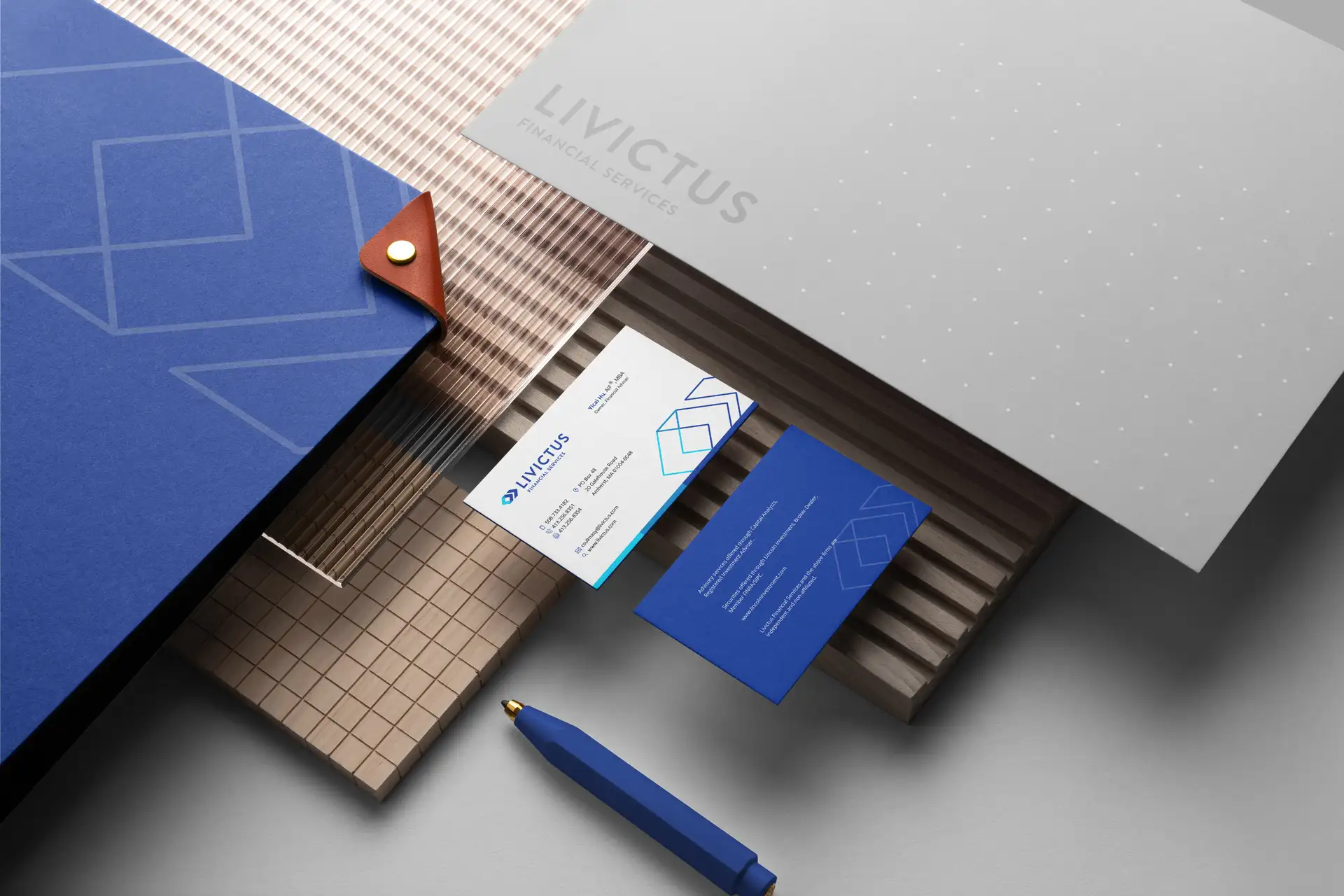
Why creating a strong brand identity is essential for emotional connections
Consistent messaging, visual branding elements, and a clear value proposition work together to form the identity your audience connects with.
When one thinks of a brand identity, most people think of the logo design. While a logo is one of the most important elements of a brand identity, others are as important and perhaps sometimes even more so. In this article, we talk about the various elements of a brand identity and how they all come together to constitute a Brand Identity System.
A strong brand identity helps your company stand out from competitors and communicate its unique value proposition to customers. It includes a memorable logo, consistent brand messaging and visual design, and a clear brand story. When those elements align with your target audience, values, and mission, you build the kind of trust and credibility that drives customer loyalty and retention. Customers are more likely to stick with a company they perceive as reputable and consistent. A strong identity also makes it easier to expand into new markets or introduce new products, because customers already have positive associations with the brand. Consistently reinforcing that identity builds recognition and awareness and establishes your company as a leader in its industry.
Nike’s iconic “swoosh” and “Just Do It” tagline create a bold, sporty identity that is consistent across every product and marketing material. Coca-Cola’s red and white color scheme and distinctive bottle shape evoke fun and celebration. Apple’s minimalist design aesthetic and generous use of white space make its branding sophisticated, modern, and instantly recognizable. Amazon’s arrow from “A” to “Z” symbolizes both its product range and a hidden smile that communicates customer satisfaction.

Building a strong customer base
A startup can focus on customer retention and satisfaction to create a loyal customer base that drives word-of-mouth referrals. It starts with understanding your customer avatar.
A buyer persona, or customer avatar, is a marketing mechanism used by professional marketers and business owners to identify highly profitable customers. You can use customer avatars to understand what makes these highly desirable customers choose you over your competition. Building and maintaining customer avatars allows you to create a strong brand proposition. You do this by identifying the problems these ideal customers are trying to solve. — Read More
A strong customer base is essential for long-term success because it provides a steady source of revenue and helps drive growth. Building one starts with understanding the needs and preferences of your target customers through customer personas and developing products or services that meet those needs. Excellent customer service and support turn one-time buyers into repeat customers, because people are more likely to continue doing business with a company they perceive as responsive and helpful. Data and analytics help you tailor marketing and sales efforts to serve customers better. Loyalty programs that reward repeat business add another layer of retention.
Amazon’s Prime membership program is a masterclass in customer retention: fast shipping, exclusive perks, and reliable service keep members coming back. Starbucks rewards repeat purchases through its loyalty program while maintaining a welcoming atmosphere. Zappos built its entire reputation on free shipping, free returns, and fanatical customer service.

Partner with complementary brands
By partnering with other companies that serve a similar customer base, a startup can tap into new markets and expand its reach.
Complementary brands offer products or services that enhance but do not directly compete with your own. A fashion retailer might partner with a beauty brand; a home goods retailer might partner with a home decor brand. These partnerships create opportunities for cross-promotion, where both brands promote each other to their respective audiences. They can take many forms: co-branded products, joint marketing campaigns, or collaborations on events and projects. The key is ensuring that both brands’ values and missions align well enough to make the partnership feel natural to customers.
Nike and Apple partnered to create the Nike+ line of athletic wear equipped with Apple’s sensors, combining Nike’s sports expertise with Apple’s technology. Starbucks and Spotify partnered on the Starbucks Music app, letting customers access Spotify’s library in stores. Target and Neiman Marcus created an exclusive holiday collection that gave Target customers access to high-end products while introducing Neiman Marcus to a broader audience. Airbnb and Resy partnered to let Airbnb guests book restaurant reservations through the app.

Pay attention to influencer marketing
Partnering with influential individuals to promote your products or services can be an effective way for a startup to build its brand and reach a larger audience. This could involve collaborating with social media influencers, partnering with industry experts, or sponsoring events.
Social media platforms like Instagram, TikTok, and YouTube are powerful tools for reaching customers. By regularly posting content and interacting with followers, your company can build a presence and establish relationships. Influencer marketing lets you tap into the credibility of people your audience already trusts. The key is finding influencers whose values align with your brand and who have genuine engagement with their followers. Track campaign performance so you can optimize future efforts.
Glossier built a loyal customer base by partnering with influencers who promoted the company’s products on social media, supplemented by user-generated content like customer photos and reviews. GoPro partnered with adventure and outdoor influencers to reach travelers and athletes. Nike partners with high-profile athletes to reach specific target markets like runners and basketball players.

Exceptional customer service as a differentiator
Providing excellent customer service helps a startup stand out in a crowded market and build a positive reputation.
Exceptional customer service involves going above and beyond to meet customer expectations: prompt and helpful responses, personalized recommendations, and quick issue resolution. Knowledgeable staff, multiple contact channels (phone, email, social media), and regular feedback loops all contribute to a service culture that builds loyalty and drives repeat business. Satisfied customers become advocates who recommend your brand to friends and family, creating a word-of-mouth engine that no advertising budget can replicate.
Zappos is known for its 365-day return policy and 24/7 customer service team. Southwest Airlines differentiates with friendly staff and flexible policies. Disney offers guest services from fast pass reservations to special accommodations, backed by a reputation for resolving issues quickly and thoroughly.
Build a strong company culture
By building a strong company culture, a startup can attract and retain top talent and differentiate itself from other ventures vying for the same pool of funding and investors.
Company culture is the set of values, beliefs, and behaviors that define how your business operates and interacts with employees, customers, and stakeholders. When you identify and align company practices with your values and mission, you attract employees who are motivated by the same things. That alignment fosters a positive work environment, improves satisfaction and productivity, and creates opportunities for collaboration and teamwork.
Google’s culture of innovation and work-life balance includes perks like free meals, on-site gyms, and “20% time” for personal projects. Zappos emphasizes customer service, employee empowerment, and fun. (Remember the famous customer pizza story?) Airbnb centers its culture around creativity, collaboration, and community, offering flexible work hours and opportunities for international travel.
Innovation moves brands to the front of the pack
A startup can stay ahead by constantly innovating and introducing new products or services to the market.
Innovation requires a culture that values creativity and out-of-the-box thinking. Give employees opportunities to collaborate on creative projects outside their regular duties and encourage them to take risks. Embrace failure as a learning opportunity rather than a setback. Allocate resources for research and development, and encourage people to stay current on industry trends.
Among fintech startups, Monzo fostered a culture of innovation that led to products like Monzo Plus and Monzo Business. PayPal encouraged creative risk-taking that produced PayPal Here and One Touch. TransferWise (now Wise) built an ownership culture that drove the launch of TransferWise for Business and the Debit Mastercard.
Personal branding as a pillar of your brand strategy
Focusing on the personal brand of the company’s founders or key executives can be a unique and effective way for a startup to differentiate itself from competitors. The expertise and personality of the founders build a strong connection with customers and set the company apart.
Do you do business with businesses or people? If you think about it, people are the building blocks of the business world. Consumers typically buy from people — even if it is online. Of course, if you buy from Amazon or other internet stores, you do not deal with people. — Read more.
Personal branding is the process of creating and managing the way you are perceived, especially in the professional world. For startups, it helps founders stand out in a crowded market and establish credibility with customers, investors, and stakeholders. It involves maintaining a consistent image and message, both online and offline, that reflects the startup’s values and mission. Authentic, transparent communication of your values and vision builds trust over time.
Gary Vaynerchuk built a personal brand centered on entrepreneurship and social media through keynote speeches, books, and podcasts. Tim Ferriss built his around productivity and investing through podcasts and bestselling books. Marie Forleo centered hers on personal development and creativity through online courses and coaching. Elon Musk used bold public communication to market SpaceX and Tesla through his personal reputation for visionary thinking.

Use data and analytics to serve your audience better
Data and analytics help a startup make informed decisions about products, services, and marketing efforts. By collecting and analyzing customer demographics, preferences, and behavior, you can better understand your target market and tailor your offerings accordingly. Tracking key performance indicators like website traffic, sales, and customer retention lets your startup measure success and make adjustments. Investing in the right tools and training your team to use them gives you a competitive advantage: faster response to market changes, more targeted campaigns, and better products.
Netflix uses viewing habit data to inform content production and create personalized recommendations. Spotify uses listening data to power its recommendation algorithms and personalized playlists. Uber uses demand, supply, and pricing data to optimize operations. Airbnb uses property value and demand data to inform marketing and pricing strategies.
Make your marketing customer-centric
Building a brand strategy that puts customer needs at the center can be a powerful way to differentiate a startup. This means creating a customer-friendly brand experience, offering personalized products or services, and actively gathering and acting on feedback.
A customer-centric approach involves understanding what your customers need and creating products and services that meet those needs in a way that is valuable and satisfying. Regularly collecting and analyzing feedback informs product development and improvement. Excellent customer service, combined with responsiveness to feedback, builds trust and loyalty. Customers who feel heard are more likely to stay and more likely to recommend you to others.
Slack put user needs at the center of its brand strategy, earning a reputation for a user-friendly platform, excellent customer service, and a wide range of integrations. Zoom did the same with a reliable platform and responsive support that proved indispensable during the pandemic.
Social responsibility as a core value
Many consumers are drawn to brands that align with their values and positively impact society. Your startup can differentiate itself by incorporating social responsibility into its brand strategy through charitable partnerships, environmentally-friendly practices, or ethical business operations.
Consider the impact of your products and services on the environment, your employees, and the communities where you operate. Implementing sustainable practices, sourcing materials responsibly, and being transparent about your values builds trust with customers and stakeholders.
Patagonia is known for using environmentally-friendly materials and supporting environmental causes. Seventh Generation focuses on recycled materials and biodegradable ingredients. Toms pioneered the “one for one” model, donating a pair of shoes for every pair purchased. Mozilla supports initiatives promoting online privacy and security.
Brand storytelling pays huge rewards
Using storytelling to connect with customers and create an emotional connection with the brand is a powerful strategy for startups. It involves sharing your company’s history, values, and mission through engaging content and creative marketing campaigns.
Storytelling allows a brand to communicate its values, mission, and personality in a relatable and emotional way. Your brand’s storytelling should be authentic and aim to create a genuine connection with the customer. Identify your unique story and consider how it can be conveyed through marketing campaigns, social media, and customer experiences. A strong brand story builds trust and credibility by demonstrating a commitment to authenticity and transparency.
Amnesty International uses powerful storytelling to draw attention to human rights abuses and inspire action. The World Wildlife Fund uses compelling narratives to highlight the importance of conservation. Doctors Without Borders uses bold storytelling to draw attention to global health crises and mobilize support.
User-generated content as brand marketing
Encouraging customers to share content related to your products or services is an effective way for a startup to build its brand. Social media hashtags, contests, and highlighted customer reviews and testimonials all fuel user-generated content.
UGC is valuable because it is authentic and relatable. Make it easy for your audience to create and share content by providing clear guidelines or creating campaigns that encourage participation. Show gratitude through social media shoutouts, rewards, or by featuring UGC on your website. Be responsive to audience content and authentic in your interactions. Offering opportunities for collaboration through contests or challenges creates excitement and engagement.
Canva runs design challenges and contests, featuring the best submissions on its website and social media channels. HubSpot runs campaigns that encourage its audience to create and share content and rewards participation.
Experiential marketing
Creating immersive, interactive experiences that allow customers to engage with the brand in a meaningful way can be a powerful strategy for startups. This could involve hosting events, creating interactive installations, or offering unique in-store experiences.
Experiential marketing aims to create memorable consumer experiences through events, interactive activities, or hands-on engagement. Start by identifying your target audience and what types of experiences would appeal to them. Consider what values and messages you want to communicate and how to use the experience to create an emotional connection. Technology like virtual reality, augmented reality, and interactive displays can enhance the sense of immersion. The goal is to build brand loyalty and credibility through experiences people remember and talk about.
Red Bull’s Stratos Jump featured Felix Baumgartner jumping from the edge of space, perfectly showcasing the brand’s association with extreme sports. Nike’s “Breaking2” aimed to help a runner break the two-hour marathon barrier. GoPro’s “Be a Hero” campaign encouraged users to share their footage with the brand. These campaigns worked because they were authentic expressions of each brand’s personality.

Gamification for brand engagement
Game-like elements in your products or marketing efforts can be an effective way to engage and motivate customers by creating a sense of challenge and reward.
Point systems, leaderboards, challenges, and achievements are common gamification elements. The key is choosing elements that appeal to your target audience and integrating them in a way that feels authentic. Gamification can also create community and social interaction among customers, encouraging both collaboration and healthy competition.
Nike+ allowed users to track fitness progress and compete with friends, increasing engagement and market share. Duolingo uses points, badges, and streaks to motivate language learners and create a sense of community. Habitica turns habit formation into a role-playing game.

Build a strong community around your brand
Building a solid online or in-person community around your products or services is a powerful way to engage and retain customers and create a sense of belonging.
Start by identifying your target audience and considering what activities or initiatives would appeal most to them. Use social media platforms, online forums, or other channels to connect with your audience and encourage participation. Host events, meetups, or other activities that bring customers together in person. Create a positive and inclusive environment that values diversity and encourages genuine engagement through transparency and authenticity.
Slack built a strong community by encouraging users to share ideas, collaborate, and connect, while providing resources and support. Patreon creates a sense of belonging among users and encourages creators to engage with their supporters and build real relationships.
For a deeper dive into specific areas, see our guides on building a brand strategy from scratch, brand positioning strategy, and startup positioning. Ready to get started? Get in touch to discuss your brand.

Mash Bonigala
Creative Director & Brand Strategist
With 25+ years of building brands all around the world, Mash brings a keen insight and strategic thought process to the science of brand building. He has created brand strategies and competitive positioning stories that translate into powerful and stunning visual identities for all sizes of companies.
Featured Work
See Our Work in Action
Real brands, real results. Explore how we've helped businesses transform their identity.


Client Love
What Our Clients Say
Don't just take our word for it. Hear from the brands we've worked with.

Gracienne Myers
Banana Vital
"If you are looking for a company to design your company’s identity or even rebrand your current brand, Spellbrand is the company that you would choose, they designed my company, Banana Vital’s logo, and provided me with 6 design to choose from which made it hard to choose because they were all very good. Just recently I hired them to rebrand Mechanical Bull Sales and again every logo was great and well thought out. I am very pleased with the work that Spellbrand has provided and I am looking for to continue working with them."

Tom McGee
PD Campus
"We tried several designers to design our logo and could not find the one that fit our company. After a few years of searching for a good branding company, I found Spellbrand through a random search. Spellbrand was sensational! They took the time to listen to our story and created a few designs that spoke to our team and what we do. We've never had a designer do that. We not only received a great logo, but we now have a brand we are all proud to wear! Thank you!"
Related Services You Might Love
Based on what you just read, here are services that can help you achieve similar results for your brand.
Free Download
Brand Consistency Checklist
A 27-point checklist to audit your brand across every touchpoint. Used by our team on real client projects.
Success! Check your email for the download link.
Instant PDF download. We'll also send branding tips -- unsubscribe anytime.
Keep Reading
Related Articles

May 7, 2024
Branding Vs Advertising -- Is There a Difference?
Branding and advertising are not the same thing. Here is how each works, where they overlap, and why the distinction matters for your business.
Read More
Apr 24, 2024
Customer Avatar -- Double Your Brand Presence with Powerful Personas
If you want to get an edge over the competition, learning how to use customer avatars is one of the most important things you can do for your brand.
Read More
May 10, 2023
How to Do a Brand Audit -- Step by Step Guide
A practical guide to conducting a brand audit. Covers framework creation, visual identity evaluation, internal checks, web analytics, customer experience, social media, and action planning.
Read More