

Spellbrand Blog
The Essential Guide to Crafting Your Brand Vocabulary

Your brand vocabulary is more than a set of words. It shapes every facet of your brand’s communication, from marketing materials and customer service dialogues to social media interactions and internal communications. Every word you choose reflects your brand’s core values and underlying identity.
When you carefully select the language representing your brand, you are defining the tone and style of your communication and influencing how customers perceive you. An effective brand vocabulary creates a consistent, memorable experience that builds trust and loyalty.
This vocabulary also serves as a guiding star for your brand’s narrative. It helps maintain consistency across platforms and touchpoints, ensuring your brand story is cohesive and aligned with your strategic goals. Whether it’s a tweet, a support email, or a promotional video, consistently using your core vocabulary reinforces your brand’s character and makes it recognizable.
Your brand’s role in society
A good starting point is understanding what role your brand plays. This role could take many forms.
Airbnb exemplifies the connector role. It uses words like “belonging,” “shared experiences,” and “community” to reinforce its mission of making people around the world feel at home. This vocabulary supports its function of creating a global community where hosts and travelers interact culturally, not just transactionally.
Apple positions itself as a leader. Terms like “innovation,” “cutting-edge,” and “leadership” reflect its role in driving technological advancement and setting industry standards. Apple’s vocabulary emphasizes leading through innovation and excellence.
Tesla takes the challenger role. Words like “revolutionary,” “sustainable,” and “future” underline its mission to challenge and transform the automotive industry toward sustainable energy.
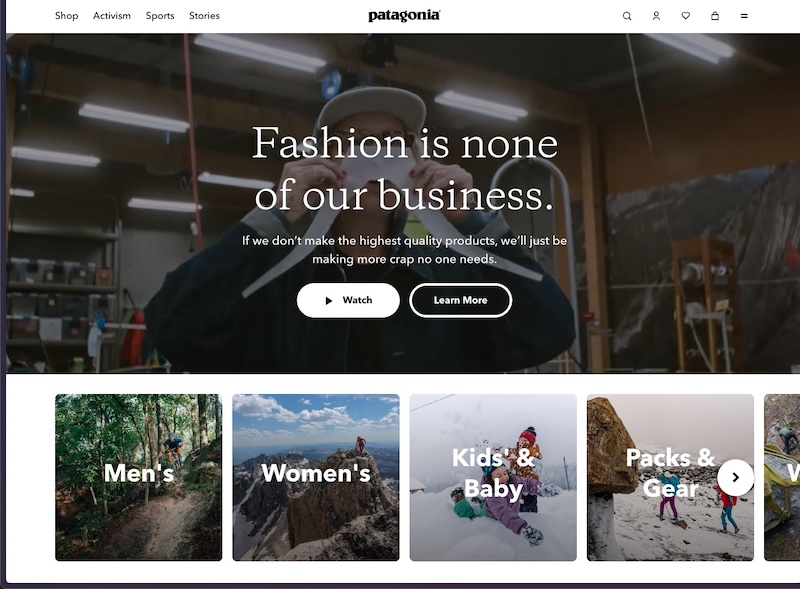
Patagonia: advocacy in action
Patagonia has positioned itself as an advocate for environmental responsibility. Terms like “sustainability,” “eco-friendly,” and “responsible” appear throughout its communications. The brand promotes durable goods and encourages customers to consider the environmental impact of their consumption.
Its famous “Don’t Buy This Jacket” campaign used phrases like “reduce,” “repair,” “reuse,” and “recycle.” It sold a product while promoting a movement. This is how vocabulary can actively shape a brand’s interactions with society and reinforce its identity as a responsible entity that cares about communal and environmental well-being.
To define your own brand’s societal role, start by asking what values your brand champions, how it contributes to or changes its community, and what words can capture the essence of your brand’s role. These questions will guide you toward vocabulary that authentically represents your mission and builds a strong foundation for all brand communications.
Moral stance
Articulating your brand’s moral stance is vital for building trust with your audience. This goes beyond making a sale. It is about making a statement about what you stand for. This matters because consumers increasingly prefer brands with strong ethical values that mirror their own, and this preference influences their decisions.
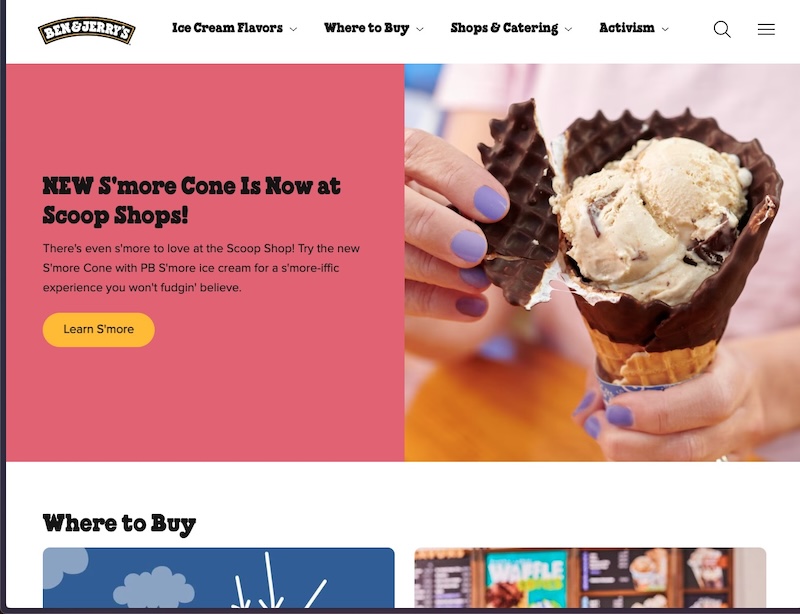
Ben & Jerry’s uses terms like “equality,” “justice,” and “activism.” These words reflect its stance on social issues and its mission to use business as a force for good. Everlane has built its brand around radical transparency and ethical sourcing. Words like “transparent,” “ethical,” and “integrity” reassure customers that they are engaging in an ethical exchange, not just a transactional one.
To build your own moral vocabulary, start by outlining the core ethical principles your brand stands for: integrity, fairness, respect, accountability. Then select words that communicate these principles powerfully. A brand that values transparency might choose “openness,” “clarity,” and “genuine.” Use these terms consistently across all communications, and make sure your brand’s actions align with what you preach. Customers spot the gap between words and deeds quickly.
Attitude and worldview
Your brand’s attitude defines how it views and interprets the world. Whether your brand is optimistic, realistic, or pioneering, your chosen words will project this worldview.
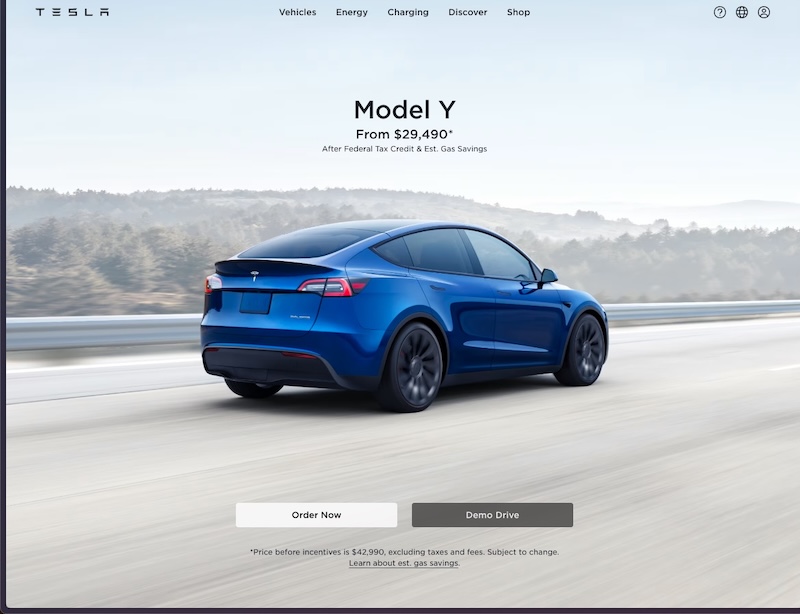
Coca-Cola uses an Innocent archetype vocabulary with words like “happiness,” “sharing,” and “joy.” This aligns with marketing campaigns highlighting positive human connections and an inclusive world. Vanguard adopts a realistic attitude with “practical,” “reliable,” and “steady,” appealing to investors who want stability. Tesla uses pioneering language: “innovative,” “revolutionary,” “future-forward.”
To establish your brand’s attitude vocabulary, reflect on how your brand views its future. Are you optimistic, realistic, or driven to lead change? Then select words that convey that stance and can be used consistently across platforms. A tech startup highlighting innovation might use “cutting-edge,” “trailblazing,” and “game-changing.” Make sure your products and practices reflect the attitude your vocabulary projects.
Power and influence
How your brand perceives and exercises influence shapes how your audience sees your role. This is about more than dominance. It is about how your brand uses its position to impact customers, the industry, and the broader community.
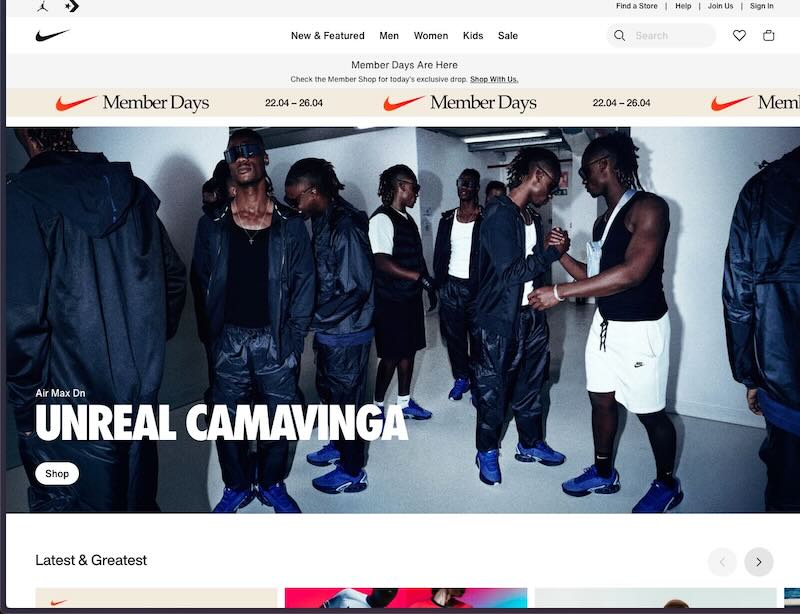
Nike uses words like “empower,” “inspire,” and “achieve” to motivate people to transcend their limits. This reinforces Nike’s role in enabling athletes and everyday people to reach their potential. Microsoft focuses on technology leadership with “lead,” “innovate,” and “pioneer,” positioning itself as a frontrunner in the tech industry. Apple uses “innovate,” “revolutionize,” and “inspire” to describe not just its products but its mission to lead through setting high standards.
Select words that convey your brand’s approach to power. If empowerment is your goal, words like “enable,” “uplift,” and “support” work. For leadership, “guide,” “shape,” and “drive.” Apply them consistently across marketing campaigns, public relations, and customer interactions, and make sure your brand’s actions back them up.
Identity and differentiation
Your brand identity defines how you perceive yourself in the market and how you wish to be perceived by others. The vocabulary you choose to describe this identity helps differentiate you from competitors and connects with your audience by highlighting what makes you unique.
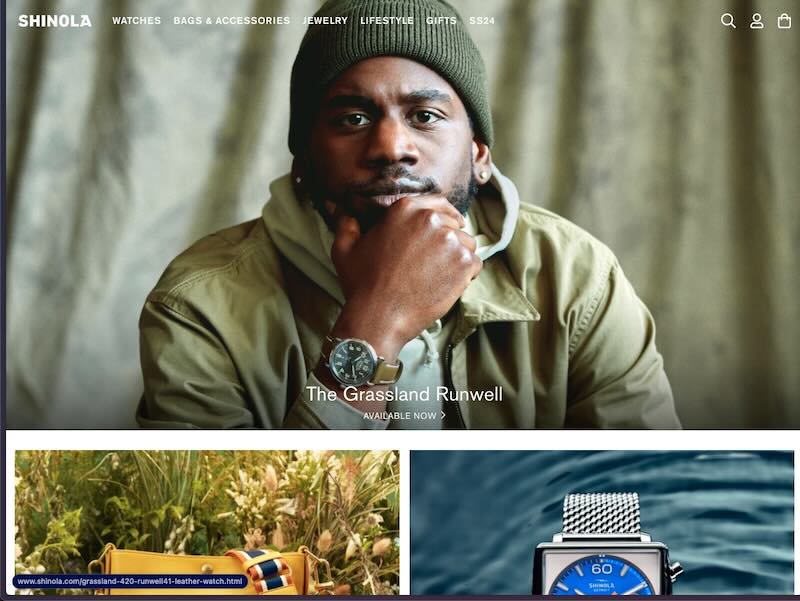
Shinola represents an artisanal identity with “handcrafted,” “precision,” and “American-made,” emphasizing quality and local manufacturing. Google uses “innovative,” “smart,” and “cutting-edge” to describe its services, underscoring its role in driving technological advancement. Rolex chooses “prestige,” “heritage,” and “timeless” to communicate luxury and enduring value.
Define your unique attributes. Is it an innovative approach, a commitment to sustainability, a rich heritage? Then select words that represent those attributes. For a luxury brand, “exclusive,” “elite,” and “sophisticated” might be right. For a sustainable brand, “eco-friendly,” “sustainable,” and “green.” Use these consistently across advertising, product descriptions, social media, and customer service, and align your visual branding and business practices with the identity your words project.
Business operations
Your brand’s operational vocabulary communicates not just what you do but how you do it. This transparency helps customers understand your business model and its benefits.
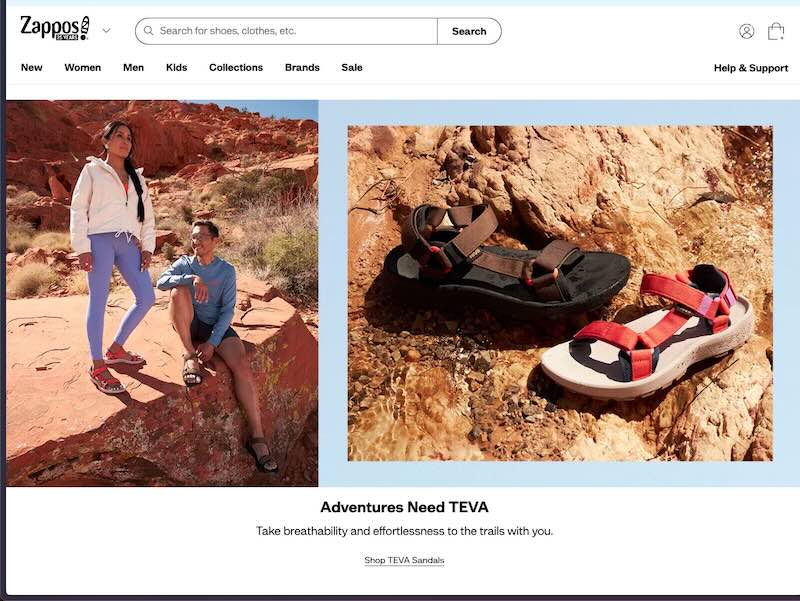
Amazon uses “streamlined,” “fast,” and “convenient” to communicate efficiency. Zappos emphasizes its customer-centric approach with “customer service,” “customer satisfaction,” and “24/7 support,” reinforcing its reputation for outstanding service. Walmart centers its vocabulary on “value,” “everyday low prices,” and “savings.”
Determine what defines your operations. Is it lean efficiency, innovative product development, ethical sourcing, or customer-first service? Choose words that communicate these themes and resonate with your target audience. Then integrate them into all communications and make sure your practices reflect the vocabulary you use.
Ideology and beliefs
Your brand’s ideology encompasses broader beliefs and principles about social, cultural, and environmental issues. This reveals what your brand believes in and influences how customers perceive your relevance and responsibility. This can greatly influence customer loyalty as consumers look to align with brands that share their values.
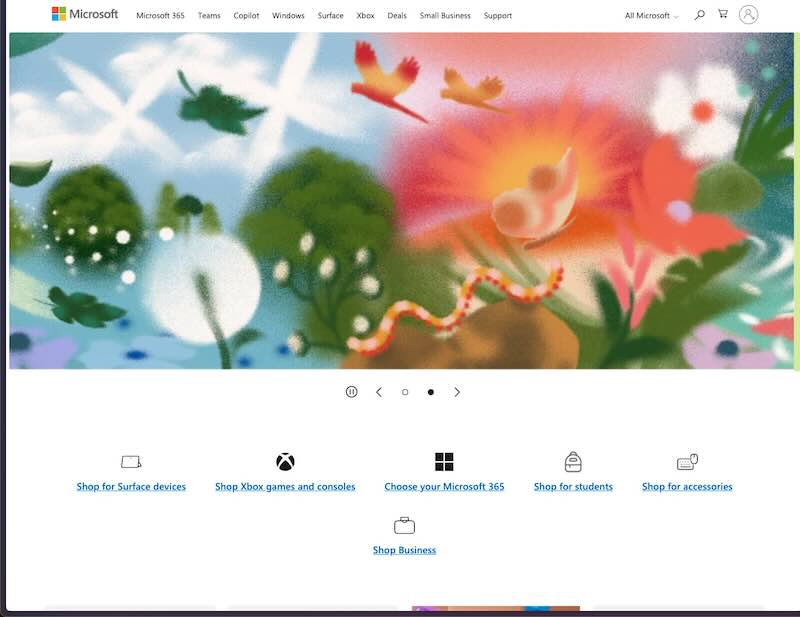
Ben & Jerry’s uses “social justice,” “equality,” and “community engagement” to underpin its commitment to social causes. Microsoft promotes diversity and inclusion with “inclusive,” “diverse,” and “accessible.” Patagonia articulates environmental stewardship through “sustainable,” “protect,” and “conserve.”
Identify the key social, cultural, and environmental beliefs your brand supports. Select words that articulate these beliefs and use them consistently across all channels. Then ensure your business practices reflect the ideology your vocabulary promotes. If you talk about diversity and inclusion, show it through inclusive hiring and community engagement.
Philosophy and purpose
Your brand’s philosophy captures how you view the world and your purpose in it. This goes beyond product offerings. It is about the broader impact your brand aims to have.
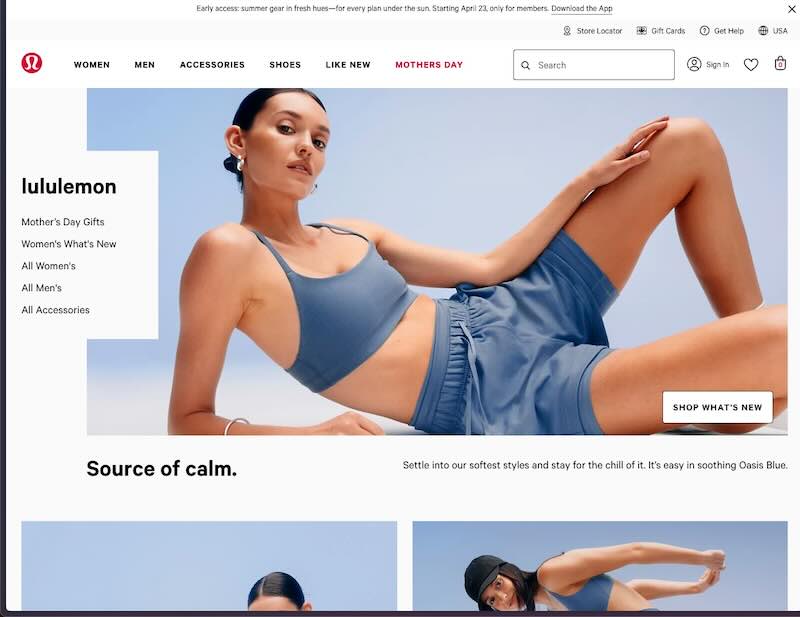
Adobe’s vocabulary includes “creativity,” “innovation,” and “imagine.” These words describe its software and its mission to enable creativity in others, attracting everyone from professional designers to hobbyists. Lululemon promotes wellness with “well-being,” “mindfulness,” and “balance,” communicating commitment to overall mental and emotional health alongside physical fitness. Patagonia’s “sustainable,” “protect,” and “conserve” highlight products made from recycled materials and a deep commitment to environmental causes.
Define your brand’s broader purpose clearly. Is it fostering creativity, enhancing wellness, advocating for social change? Select words that capture this philosophy and integrate them into marketing, customer service, social media, and internal communications. Make sure your products and services actually reflect the philosophy you advocate.

Putting your vocabulary to work
Defining your brand vocabulary is the first step. Implementing it consistently is where the real value is created.
Start with training. Everyone in customer-facing and communication roles should understand the vocabulary and how to use it in context. Develop content guidelines and templates that incorporate the brand vocabulary, making them available to anyone creating brand content.
Integrate the vocabulary into every piece of communication: marketing materials, social media posts, email newsletters, customer service scripts, and internal communications. Standardize across platforms so the experience feels consistent.
Run regular audits of your communications to check that the vocabulary is being applied correctly. Seek feedback from customers and team members to understand how the language is perceived. Recognize employees who use the vocabulary effectively.
And let it evolve. Markets and audiences change. Review your vocabulary regularly, retire terms that no longer align with your brand, and introduce new words that reflect changes in strategy or market environment.
A well-defined brand vocabulary is a strategic asset in building a strong, cohesive brand identity. Contact us if you need help creating one as part of your brand strategy and messaging framework.

Mash Bonigala
Creative Director & Brand Strategist
With 25+ years of building brands all around the world, Mash brings a keen insight and strategic thought process to the science of brand building. He has created brand strategies and competitive positioning stories that translate into powerful and stunning visual identities for all sizes of companies.
Featured Work
See Our Work in Action
Real brands, real results. Explore how we've helped businesses transform their identity.
Client Love
What Our Clients Say
Don't just take our word for it. Hear from the brands we've worked with.

Christian Nocera
Dapper Yankee
"Delighted to have used Spellbrand for our last project. The work was thorough and results excellent. For me it was such a pleasure to work with Mash who was able to keep up with all my last minute requests for small changes. Nothing was too much of a problem and I would have to say that its great to work with people who do actually put the customer needs first! One thing saying it, its another thing doing it – Thanks Mash!"

Sue Politte
Success In Focus
"Love it! My brand identity and logo helps quickly communicate what I do. I coach very busy business leaders who want to take their organization to the next level and are tired of all the things that are slowing things down or blocking progress. My brand identity needed to grab visual attention and communicate quickly that I help my clients get focus so they gain and build success. My new brand will help my potential clients identify with me. Thank you!!!!"
Related Services You Might Love
Based on what you just read, here are services that can help you achieve similar results for your brand.
Free Download
Brand Consistency Checklist
A 27-point checklist to audit your brand across every touchpoint. Used by our team on real client projects.
Success! Check your email for the download link.
Instant PDF download. We'll also send branding tips -- unsubscribe anytime.
Keep Reading
Related Articles

Apr 22, 2024
How To Win Over Your Audience With Your Brand Persona
The brand persona is vitally important in making human connections with your audience. This persona has to align with your audience persona if you want your brand to connect.
Read More
Apr 18, 2024
Brand Expression: Your Share Of Millennial Buying Power
What is brand expression, and why does it matter? A guide to brand persona, voice and tone, visual expression, and how to connect emotionally with your audience.
Read MoreApr 27, 2026
Brand Names That Cross Borders: Why Most International Naming Fails and What Actually Works
Most brand names do not survive their first border crossing. After naming brands that operate across 30+ countries, this is why international naming is harder than founders think, what actually goes wrong, and the framework that prevents your name from becoming a punchline in your biggest growth market.
Read More